
Topic hub
The body clock
Your circadian rhythm, the cues that set it, and what happens when your schedule and your internal clock disagree.
9 guides in this hub
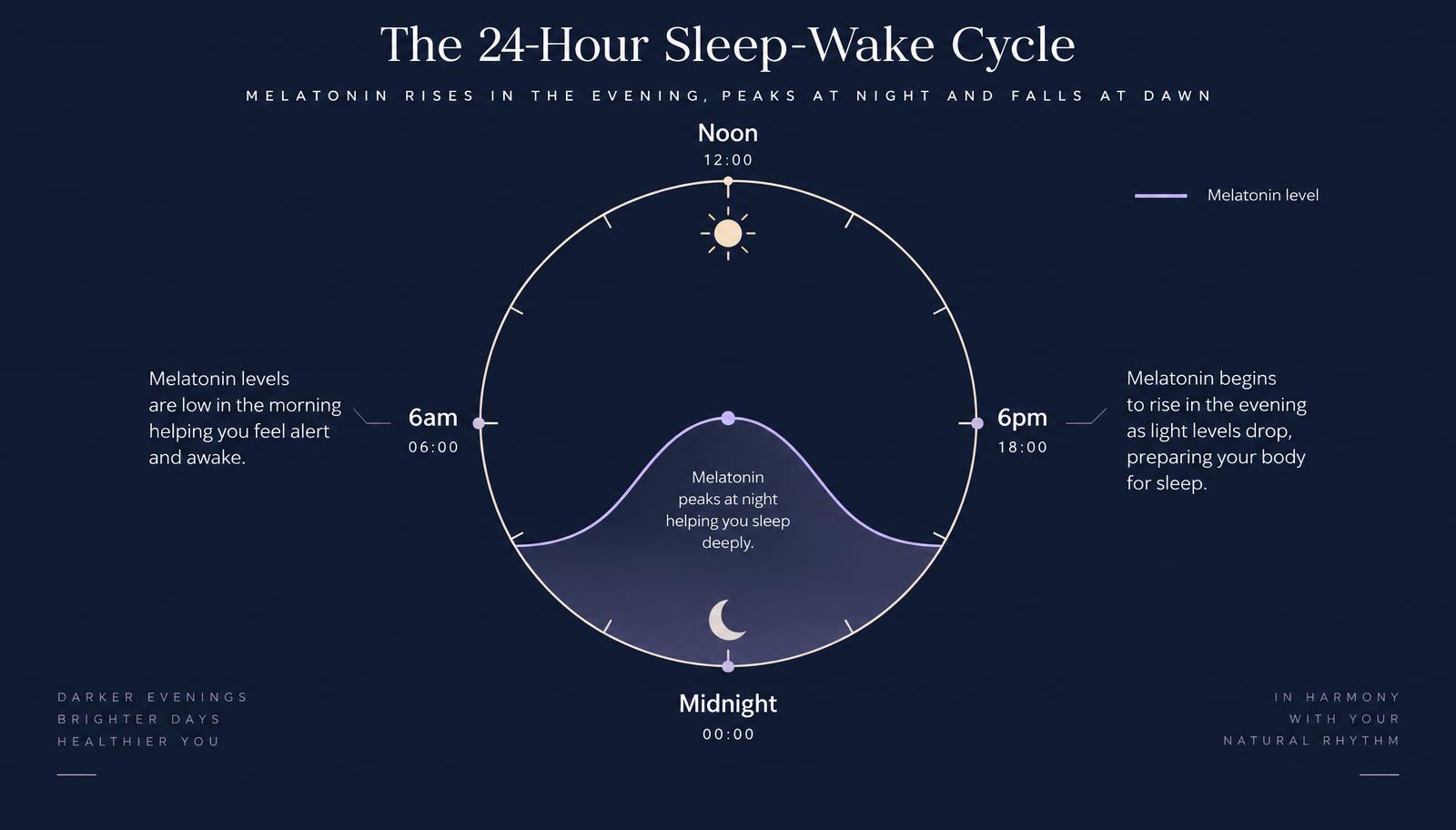
Almost every complaint about sleep timing — waking at 4am on holiday, dreading Monday mornings, feeling wide awake at midnight — comes back to the body clock.
These guides explain the rhythm itself, the role of daylight and evening light, and the specific situations that pull the clock out of step: time zones, shift work and irregular weeks.
One master clock, many cues
A cluster of cells in the hypothalamus keeps roughly 24-hour time and is reset each day, mainly by light. Meals, activity and social routines nudge it too, but light is the strongest cue by a wide margin.
Because the clock adjusts gradually — not instantly — a sudden change in schedule leaves you out of step for several days.
Earlier and later, not simply better and worse
Morning light tends to pull the clock earlier; light late in the evening tends to push it later. Neither is inherently good or bad, but a mismatch between your clock and the hours you must keep is what usually feels like a sleep problem.
Understanding which direction you need to move makes most practical advice, including advice about travel, much easier to apply.
Reading path
Follow the clock from daylight to time zones
Begin with light, then move to the situations that shift your rhythm.
- 1Why does light affect melatonin?The mechanism behind every other guide here.6 min read
- 2Melatonin and the circadian rhythmWhat a circadian rhythm is and how it shifts.6 min read
- 3Morning light and your body clockThe most useful daily habit for sleep timing.6 min read
- 4Melatonin and jet lag: understanding the connectionWhat happens when local time changes overnight.6 min read
More in the body clock
The Body Clock
Evening light, screens, and sleep
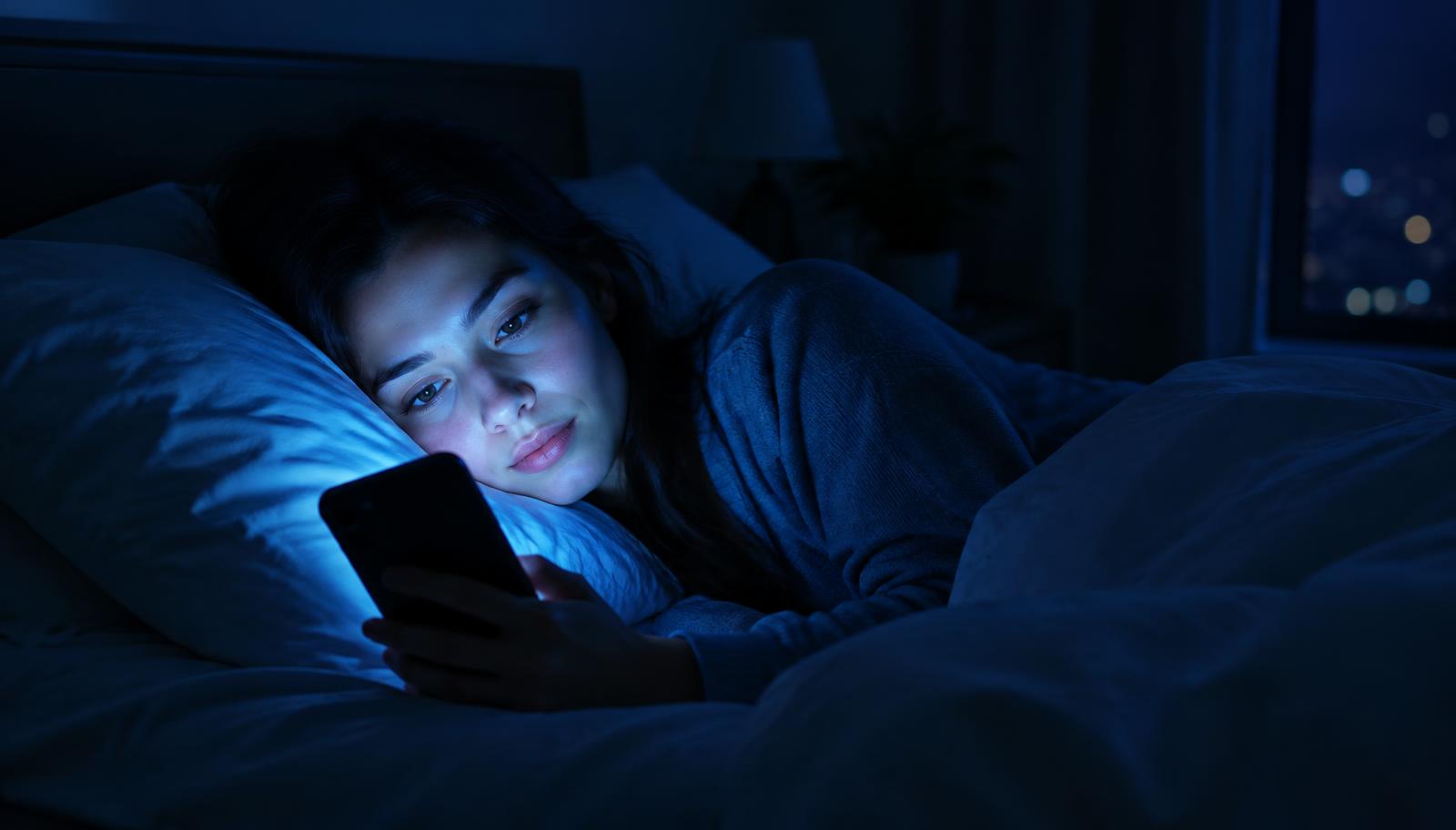
Evening light can delay the rise of melatonin and shift the body clock later, particularly when it is bright and prolonged. The evidence for screens specifically is more mixed than commonly assumed, and factors like stimulating content and general arousal often play as large a role as the light itself. Both light and what you are doing on the screen are worth considering.
6 min readRead the guide →
The Body Clock
What happens when your sleep schedule shifts?
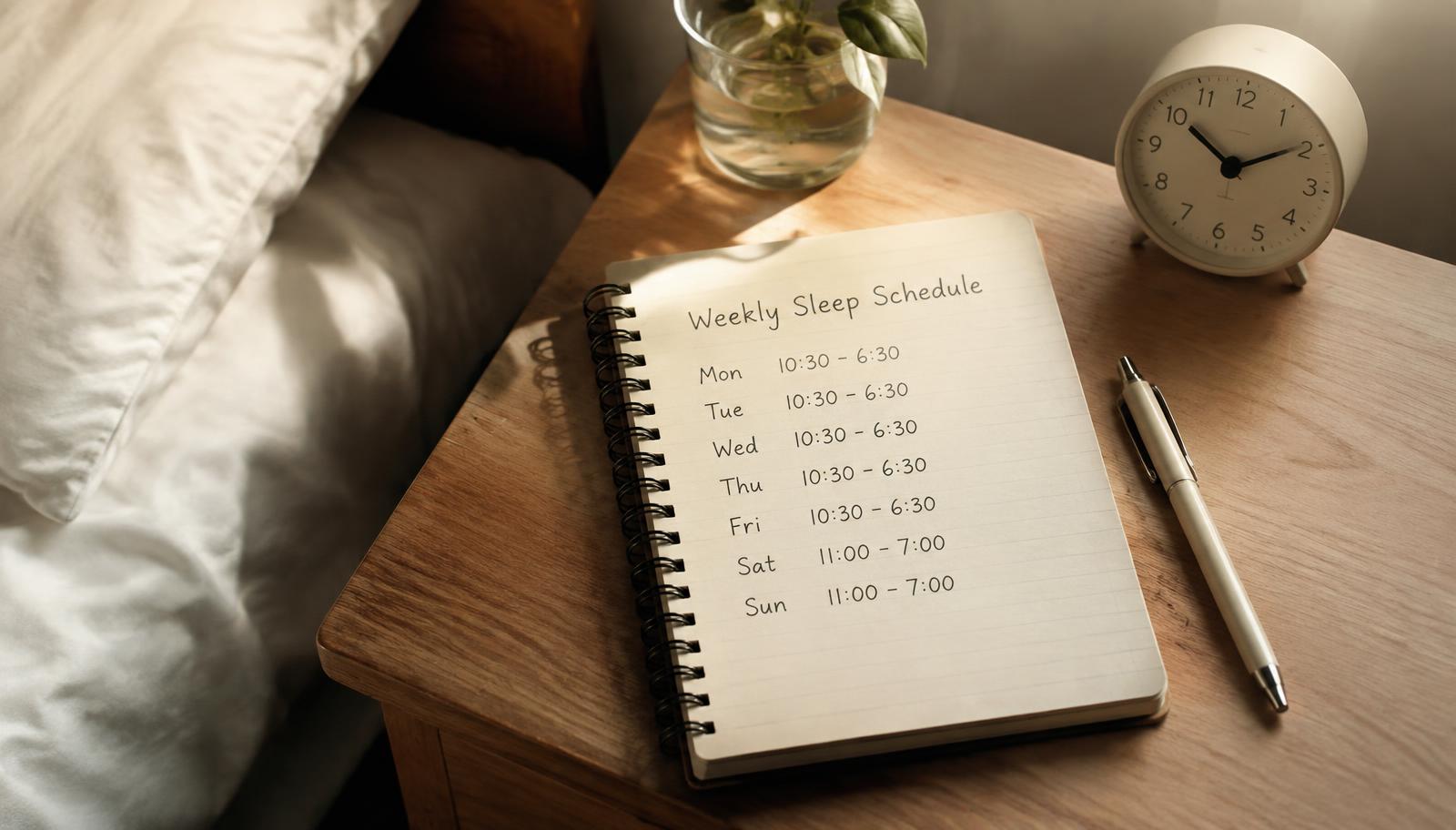
When sleep and wake times change from day to day, such as with weekend lie-ins or late shifts, the body clock and its light cues fall out of step with the actual clock time. This mismatch, sometimes called social jet lag, can leave you feeling tired and out of sorts even without crossing time zones. Because the body clock adjusts gradually, resetting it typically takes several days of consistent cues rather than happening overnight.
6 min readRead the guide →
The Body Clock
Why jet lag feels different when travelling east or west
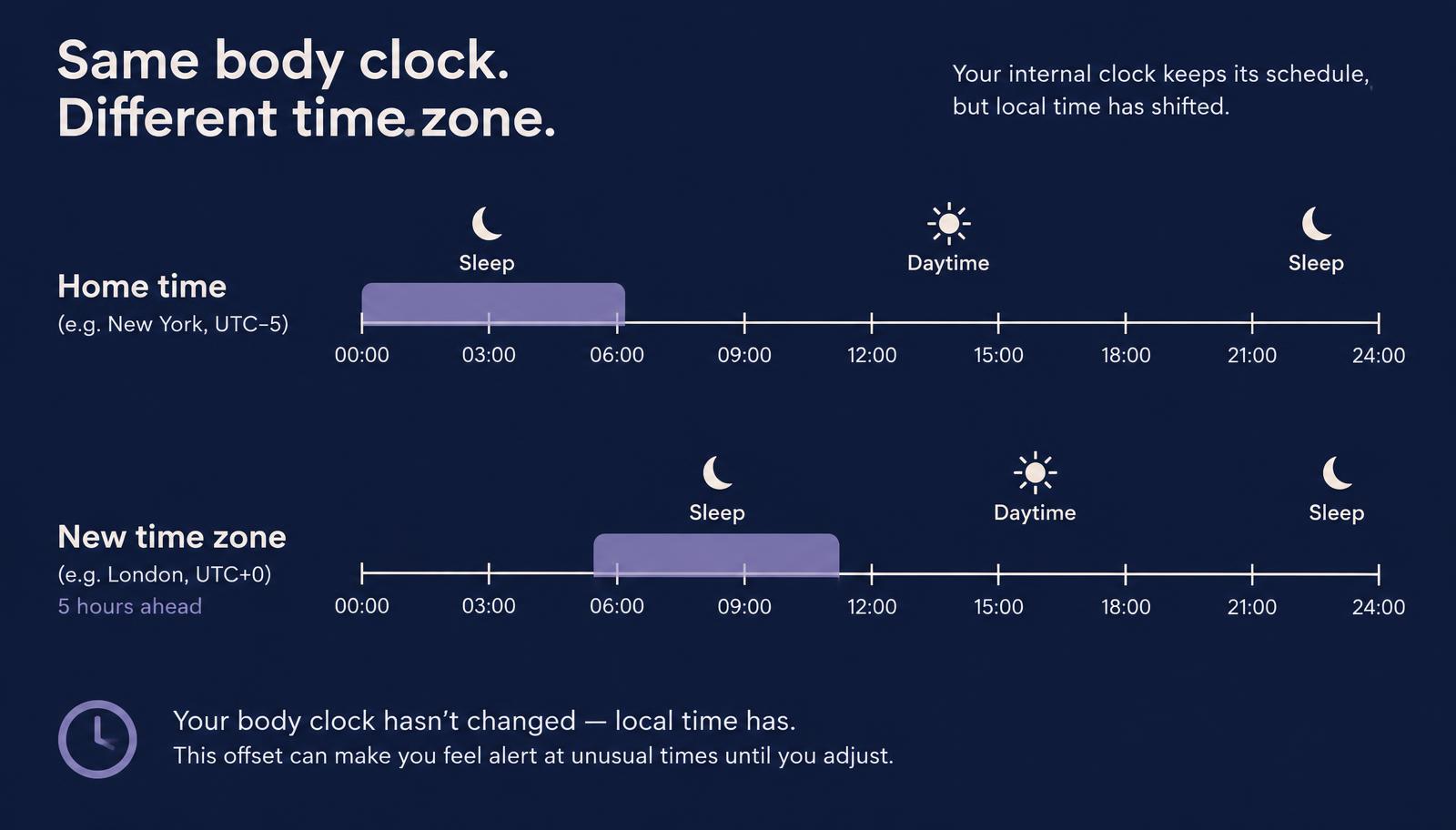
Flying east asks your body clock to move forward in time, known as a phase advance, while flying west asks it to move backward, a phase delay. Most people's internal clocks find it easier to delay than to advance, which is why eastward travel is usually reported as harder to adjust to.
6 min readRead the guide →
The Body Clock
How to adjust to a new time zone
Adjusting to a new time zone is easier when you work with your body clock using light exposure, meal timing and consistent sleep habits, rather than against it. The right approach also depends on whether you're staying for a few days or several weeks.
6 min readRead the guide →
The Body Clock
Sleep and shift work: understanding the body-clock challenge
Shift work, especially night and rotating shifts, asks the body to be alert and asleep at times that conflict with its natural light-driven rhythm. This creates ongoing challenges for both sleep quality and daytime functioning, and while some habits around light and routine can help, persistent problems are worth discussing individually with a health professional.
7 min readRead the guide →