
Topic hub
Better sleep
Practical habits, honestly weighted — what tends to matter most, and what matters less than the internet suggests.
7 guides in this hub
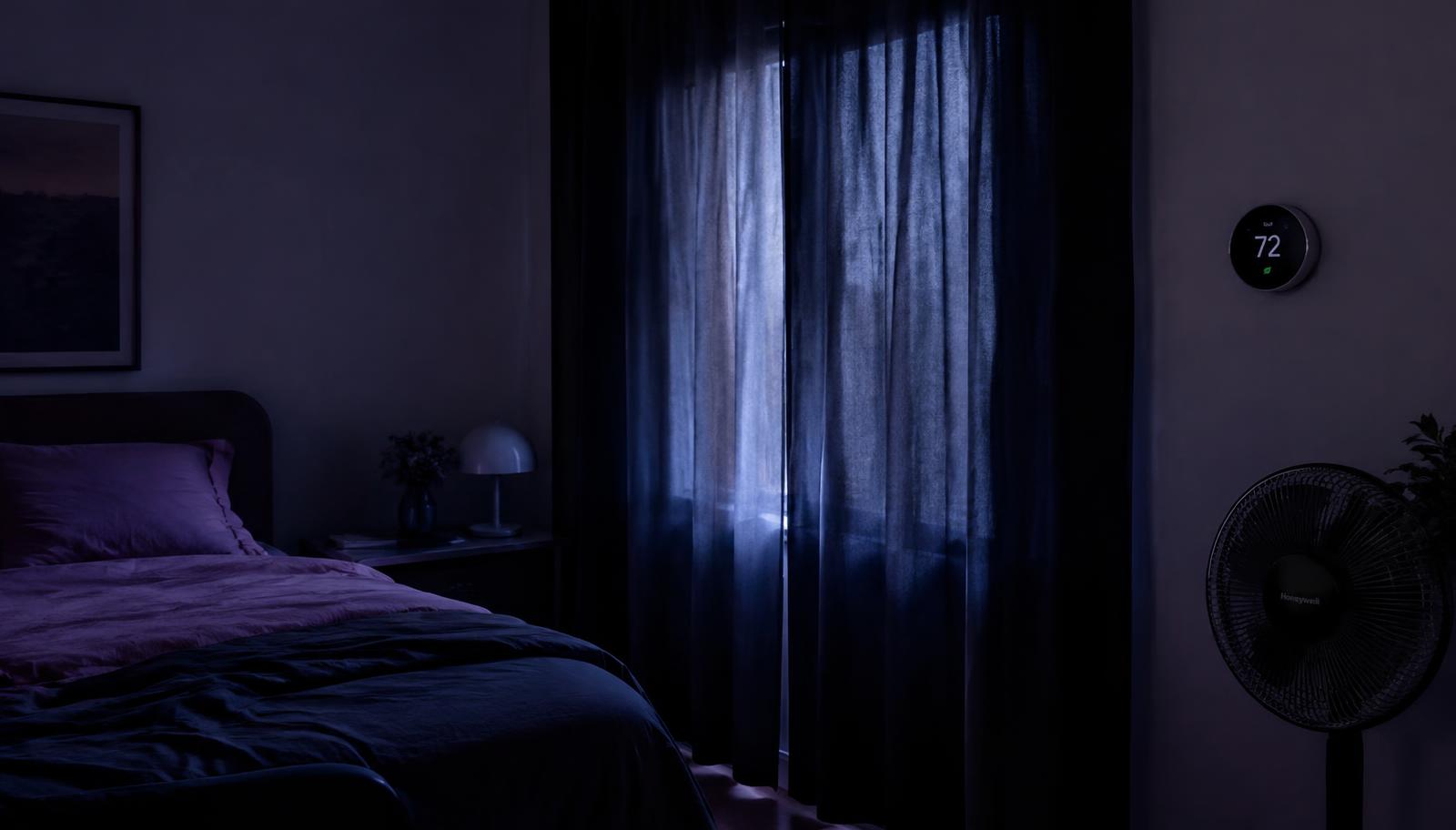
Most sleep advice is a long list with no sense of priority. These guides try to be honest about weight: consistent wake times, daylight and caffeine timing generally matter more than the temperature of your pillow.
Nothing here works for everyone, and habits alone are not a treatment for persistent insomnia. Each guide says where its limits are.
Anchor the day before you rearrange the night
A steady wake time and daylight soon after waking do more for sleep timing than any evening ritual, because they are the cues your body clock actually reads.
Evening routines still help — mostly by lowering arousal and creating a predictable run-in to bed — but they work best on top of a stable anchor.
Know what sleep hygiene cannot do
Sleep hygiene is a useful baseline, not a treatment. For insomnia that has lasted weeks, UK guidance points towards cognitive behavioural therapy for insomnia rather than more rules about bedrooms.
If you have tried the sensible habits and nothing has changed, that is information worth taking to a clinician, not a sign you have failed at them.
Reading path
Build the habits that carry the most weight
Start with the anchor, then adjust the evening.
- 1What is sleep hygiene, and what does it actually do?Which habits have the strongest support.6 min read
- 2How to build a more consistent sleep scheduleThe single most useful change.6 min read
- 3Caffeine and sleep: why timing mattersWhy the afternoon cup matters more than you think.6 min read
- 4An evening routine you can actually maintainA wind-down that survives a real evening.6 min read
More in better sleep

Better Sleep
Alcohol and sleep quality
Alcohol can make falling asleep feel easier because it is sedating, but sedation is not the same as normal, restorative sleep. As the body processes alcohol overnight, sleep tends to become lighter and more fragmented in the second half of the night, which is why a nightcap often leads to earlier or more frequent waking.
6 min readRead the guide →
Better Sleep
Bedroom light, noise and temperature
A bedroom that is dark, quiet and on the cooler side tends to support better sleep, with temperature and light generally having the clearer effects and noise being more individually variable. None of these factors need to be perfect, but persistent problems with any of them, such as light UK summer mornings, are worth addressing rather than tolerating indefinitely.
6 min readRead the guide →

Better Sleep
Daytime habits that influence sleep
Sleep quality is shaped by the whole day, not just the run-up to bedtime, and daylight exposure and regular movement have some of the clearer effects on the body clock and sleep pressure. Naps and meal timing matter mainly in how and when they are used, and unresolved daytime worry is a common, underrated cause of poor sleep at night.
6 min readRead the guide →