
The Body Clock
Evening light, screens, and sleep
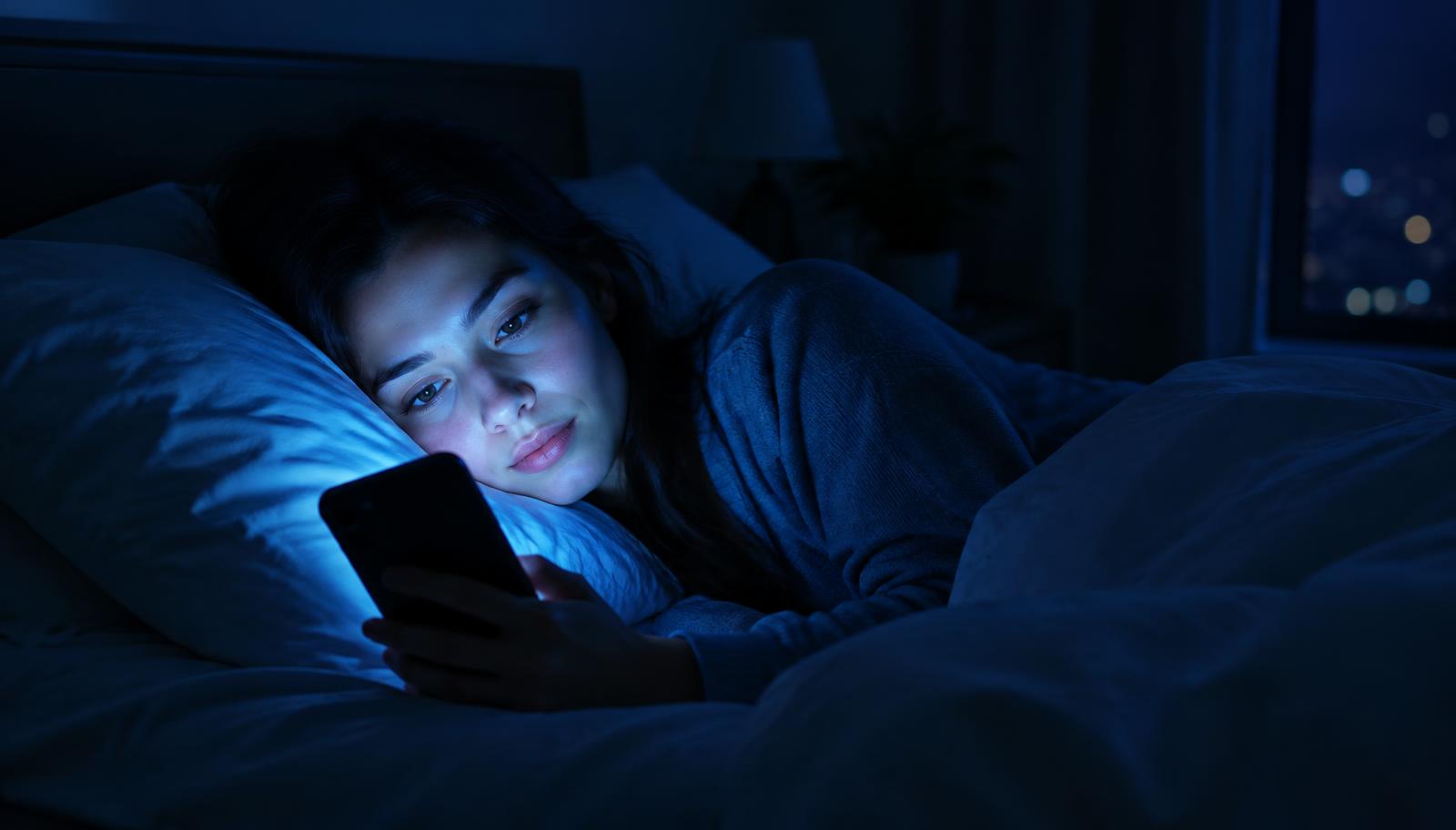
Evening light can delay the rise of melatonin and shift the body clock later, particularly when it is bright and prolonged. The evidence for screens specifically is more mixed than commonly assumed, and factors like stimulating content and general arousal often play as large a role as the light itself. Both light and what you are doing on the screen are worth considering.
6 min read · Published 24 September 2026
In short
- Bright evening light can delay melatonin release and push the body clock later.
- Typical phone and tablet screens emit far less light than daylight, which limits their effect for most people.
- The evidence linking screens specifically to poor sleep is less conclusive than headlines often suggest.
- Stimulating or stressful content can keep you alert independently of the light involved.
- Both dimming light and reducing arousing content in the evening are reasonable, complementary steps.
Evening light and screens are frequently blamed for poor sleep, and there is a reasonable basis for taking light exposure seriously. But the picture is more nuanced than a simple rule of "no screens before bed", and it is worth separating what is well established from what is assumed.
What evening light does to the body clock
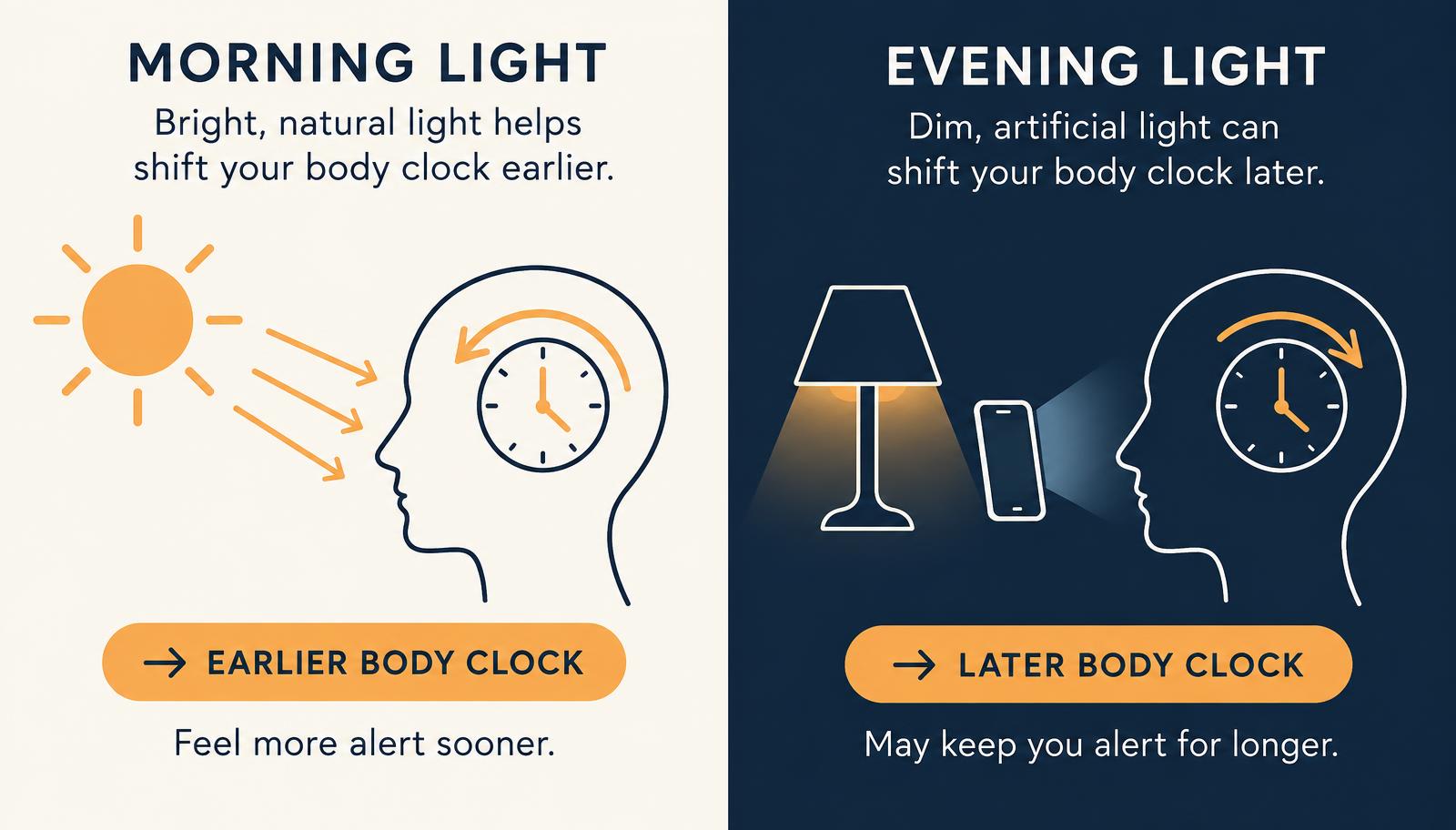
As covered in Why does light affect melatonin?, the body clock treats bright light as a signal that it is daytime, regardless of the actual clock time. In the evening, when the body is naturally beginning to prepare for the release of melatonin, bright light exposure can delay that rise, pushing the body's sense of "night has begun" later than the clock on the wall suggests.
This effect is generally stronger with brighter light and longer exposure. A brief glance at a screen is unlikely to have a large effect on most people, while hours spent under bright overhead lighting or a very bright screen close to bedtime is more likely to matter.
What the evidence does and does not support about screens
Much of the public concern about screens specifically comes from studies using bright light sources at close range for extended periods, which do not always reflect how most people actually use phones or tablets in bed. Ordinary smartphone and tablet screens are considerably dimmer than daylight, and many now include features that reduce blue-toned light in the evening, which may modestly reduce their effect on melatonin.
Research on whether typical evening screen use meaningfully delays sleep is mixed, with some studies finding measurable effects on melatonin timing and others finding little difference once other factors are accounted for. It is fair to say screens are not proven to be harmless, but it is also not accurate to treat them as uniquely dangerous compared with other sources of light.
Content and arousal versus the light itself
One factor that is often overlooked is what you are actually doing on the screen. Reading an engrossing news feed, replying to work messages, or watching a tense film can raise mental and emotional arousal, making it harder to fall asleep regardless of how bright the screen is. This kind of stimulation works through attention and stress, not through the light-sensing pathway that affects melatonin.
- Bright light close to bedtime can delay melatonin release, independent of content.
- Stimulating or stressful content can keep the mind alert, independent of light.
- Both factors can combine, which may explain why screen use is so often linked to poor sleep.
- Reducing either factor alone may only partly help; reducing both tends to be more effective.
A closer look at different evening screen activities
Not every use of a screen carries the same risk to sleep, and it can help to think through a few common examples rather than treating "screen time" as one uniform habit. Streaming a familiar, low-key programme at a dimmed brightness in a room with other soft lighting is a fairly mild exposure. Working on emails or messaging apps that demand decisions and can provoke worry sits at the more disruptive end, partly because of arousal rather than light. Scrolling social media sits somewhere in between, since the content varies wildly and the habit of continued scrolling can itself delay the point at which someone puts the device down and settles.
This distinction matters practically, because it suggests that simply setting a device to night mode is unlikely to solve sleep difficulties on its own if the underlying issue is spending the last hour before bed dealing with stressful messages or gripping content. A more complete approach looks at both the brightness of the light involved and the nature of what is being viewed.
Finding a practical balance
Completely avoiding screens in the evening is not realistic for most people, and it is not necessary to treat it as an all-or-nothing rule. Lowering screen brightness, dimming room lighting generally, and being mindful of stimulating content in the hour or so before bed are all reasonable, evidence-aligned steps. These sit alongside the wider habits discussed in How to build a more consistent sleep schedule.
Other evening light sources worth considering
Screens tend to attract most of the attention, but they are not the only source of evening light in a typical home. Bright overhead kitchen or bathroom lighting, particularly if you spend the last part of the evening under it, can plausibly have a similar or larger effect than a phone held at arm's length. Households that dim the whole living space in the evening, rather than only addressing device use, are giving the body clock a more consistent signal overall.
How evening habits connect to the rest of the day
Evening light does not act alone. A body clock that gets a strong, clear morning light signal, as described in Morning light and your body clock, tends to be more resilient to a certain amount of evening light exposure. The two ends of the day work together rather than in isolation.
A worked example: two different evenings with the same phone
Consider the same person using the same phone on two different evenings. On the first, they spend the last hour before bed replying to work emails at full brightness in an otherwise dark room, feeling increasingly tense about an unresolved issue raised by a colleague. On the second, they watch twenty minutes of a familiar, calm programme at reduced brightness with a bedside lamp also on, then put the phone away and read for a while before sleep.
Both evenings involve broadly similar total screen time, but the likely effect on sleep is quite different. The first combines brighter, more concentrated light with genuine emotional arousal from stressful content; the second reduces both factors considerably. This comparison illustrates why blanket advice to avoid all screens can miss the more useful distinction between how bright the light is and what the content is actually doing to the mind.
Where e-readers and dedicated devices fit in
Dedicated e-reader devices with a matte, non-backlit display generally emit far less light than a phone or tablet screen, since they rely on reflected ambient light in a similar way to a printed page, sometimes with a gentle front light rather than a full backlight. This makes them a reasonable middle ground for people who want to read in bed but are trying to reduce bright light exposure, though the content still matters, since a gripping thriller can keep the mind alert regardless of the device used.
Backlit tablets used for reading, by contrast, behave more like other bright screens in terms of light output, even though the activity of reading itself is generally calmer than scrolling through social media or messaging apps.
A note on children and evening screens
Similar principles apply to children, though there are additional practical considerations, such as the tendency for screen use before bed to displace other calming pre-sleep routines like reading or quiet conversation. Parents weighing up evening screen habits for children may find it useful to think about both brightness and content, in the same way described above for adults, while recognising that consistent bedtime routines matter enormously for children specifically, a topic covered in Melatonin and children.
Turning this into a simple, realistic routine
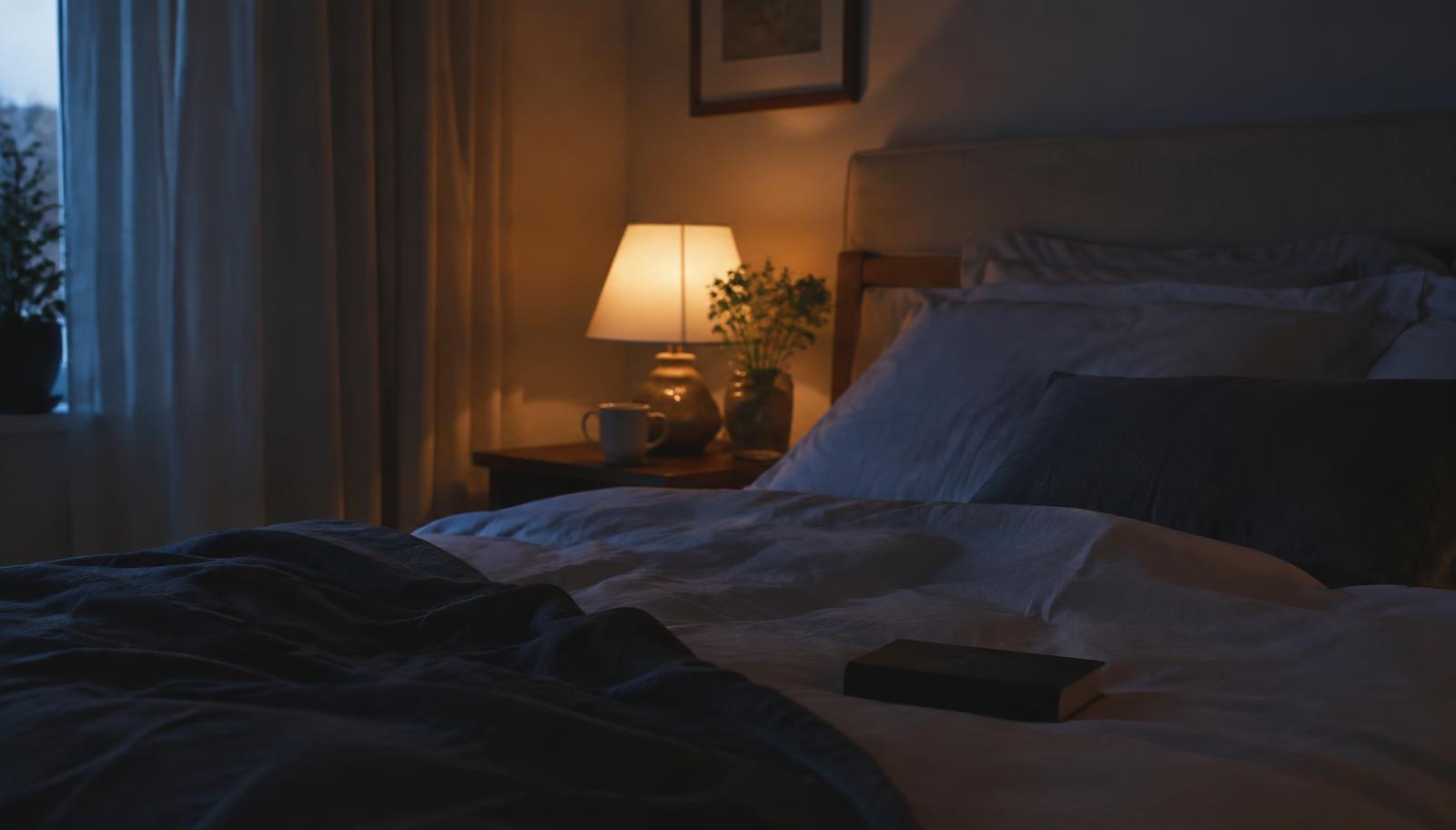
Rather than aiming for a strict screen curfew that is hard to sustain, many people find it more workable to build a loose sequence into the last hour before bed: dim the main room lighting first, finish anything genuinely stressful or urgent earlier in the evening where possible, and treat the final twenty minutes or so as a lower-brightness, lower-stimulation wind-down, whether that involves a book, a calm programme, or simply talking with someone in the room. This kind of flexible structure tends to be easier to maintain over weeks than an all-or-nothing rule, and it addresses both the light and the content side of the picture at once.
Common questions
Do blue light filters on phones actually help sleep?
They may modestly reduce the light-based effect on melatonin, but the evidence that they meaningfully improve sleep on their own is limited. Reducing overall brightness and screen time close to bedtime is likely to matter more.
Is reading a physical book in bed better than reading on a screen?
A physical book with dim room lighting generally involves less bright light exposure than a backlit screen, so it may be gentler on the body clock, though the difference is often smaller than assumed for most people using screens at moderate brightness.
Why do I feel wired after scrolling even with a dim screen?
This is more likely to reflect mental stimulation or emotional arousal from the content itself rather than the light from the screen. Sleep pressure and body clock signals are covered further in Melatonin versus sleepiness: what is the difference?
Sources
Written by The Melatonin UK editorial team.
Published 24 September 2026. This article is general information about sleep and the body clock. It is not medical advice, and it does not replace a conversation with your GP or pharmacist.
Read next
The Body Clock
Why does light affect melatonin?
Light is the single strongest signal your body uses to time melatonin release. Specialised cells in the eye detect brightness, quite separately from normal vision, and pass that information to the brain's master clock, which controls the pineal gland. Brightness, timing and duration of light exposure all matter, not just its colour.
6 min readRead the guide →
The Body Clock
Morning light and your body clock
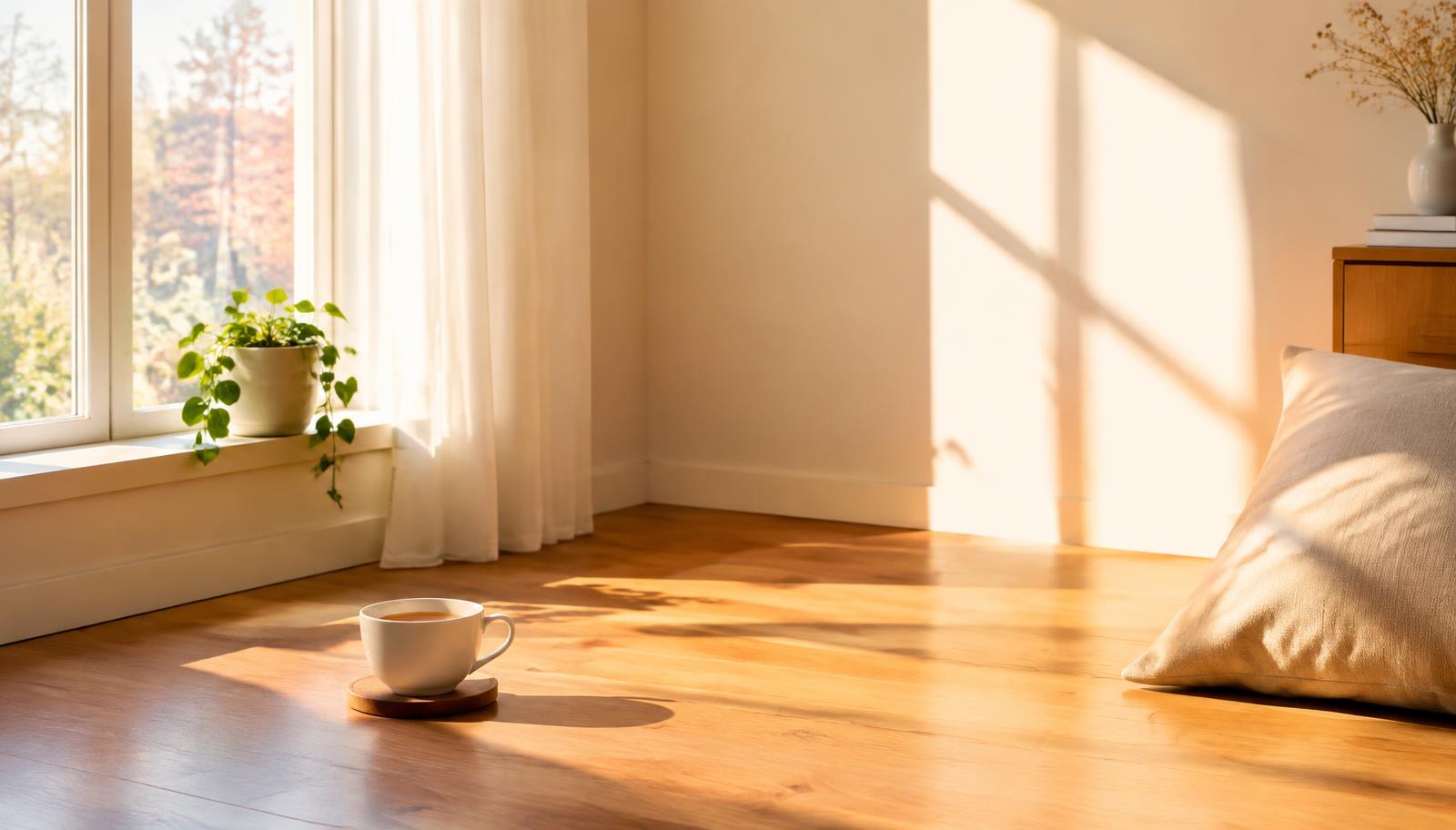
Morning daylight is one of the strongest signals for anchoring your body clock, helping set the timing for alertness during the day and melatonin release later that night. It is especially useful because it comes early in the light-sensitive window the body clock relies on. UK winters make this harder, but there are realistic ways to get more usable light.
6 min readRead the guide →
Better Sleep
How to build a more consistent sleep schedule
A more consistent sleep schedule is usually best built gradually, anchored around a fixed wake time rather than a fixed bedtime, supported by consistent light exposure. Small, sustainable adjustments over days or weeks tend to work better than sudden changes. The goal is a rhythm the body clock can rely on, not a single perfect night.
6 min readRead the guide →