
The Body Clock
Morning light and your body clock
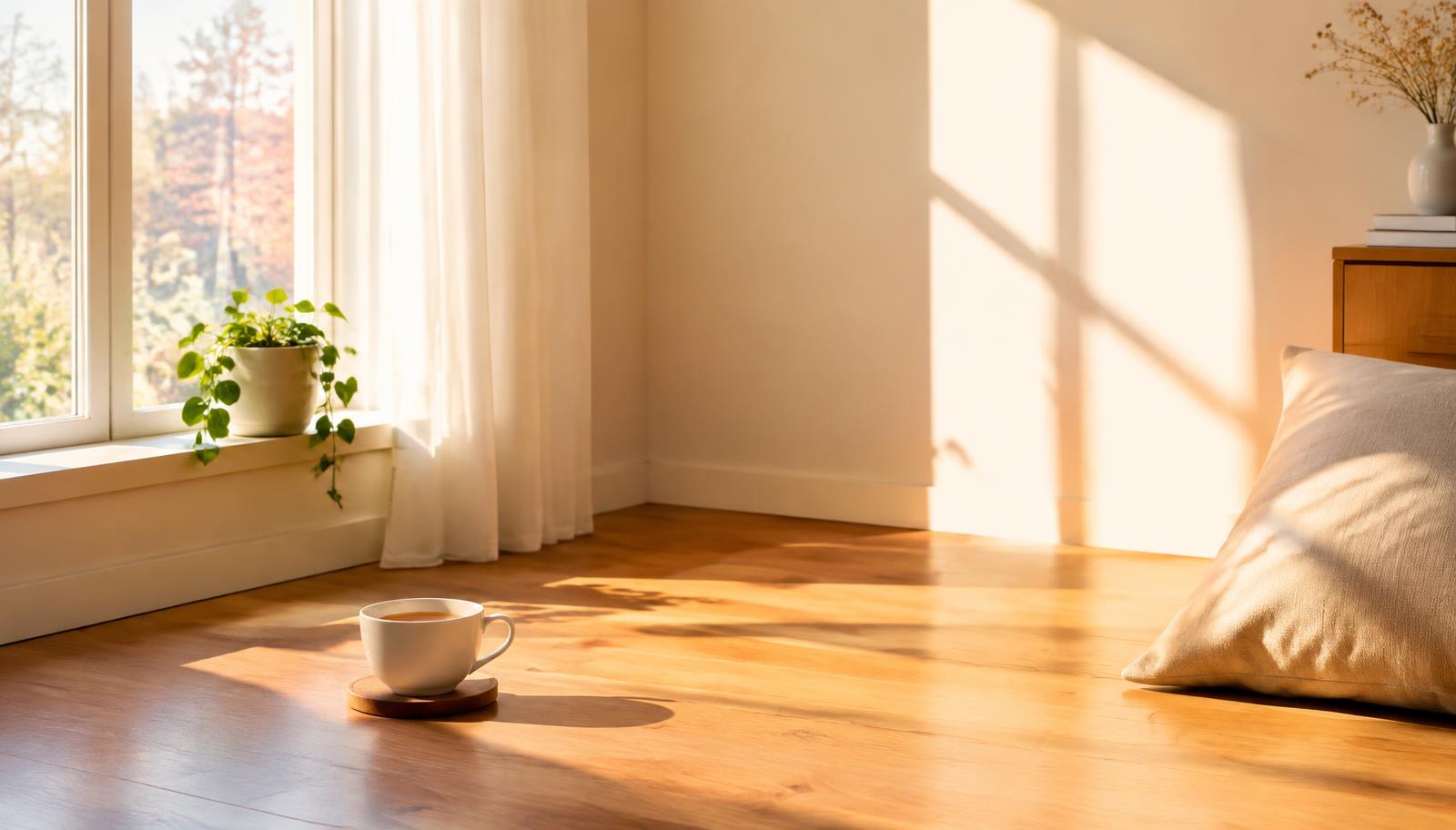
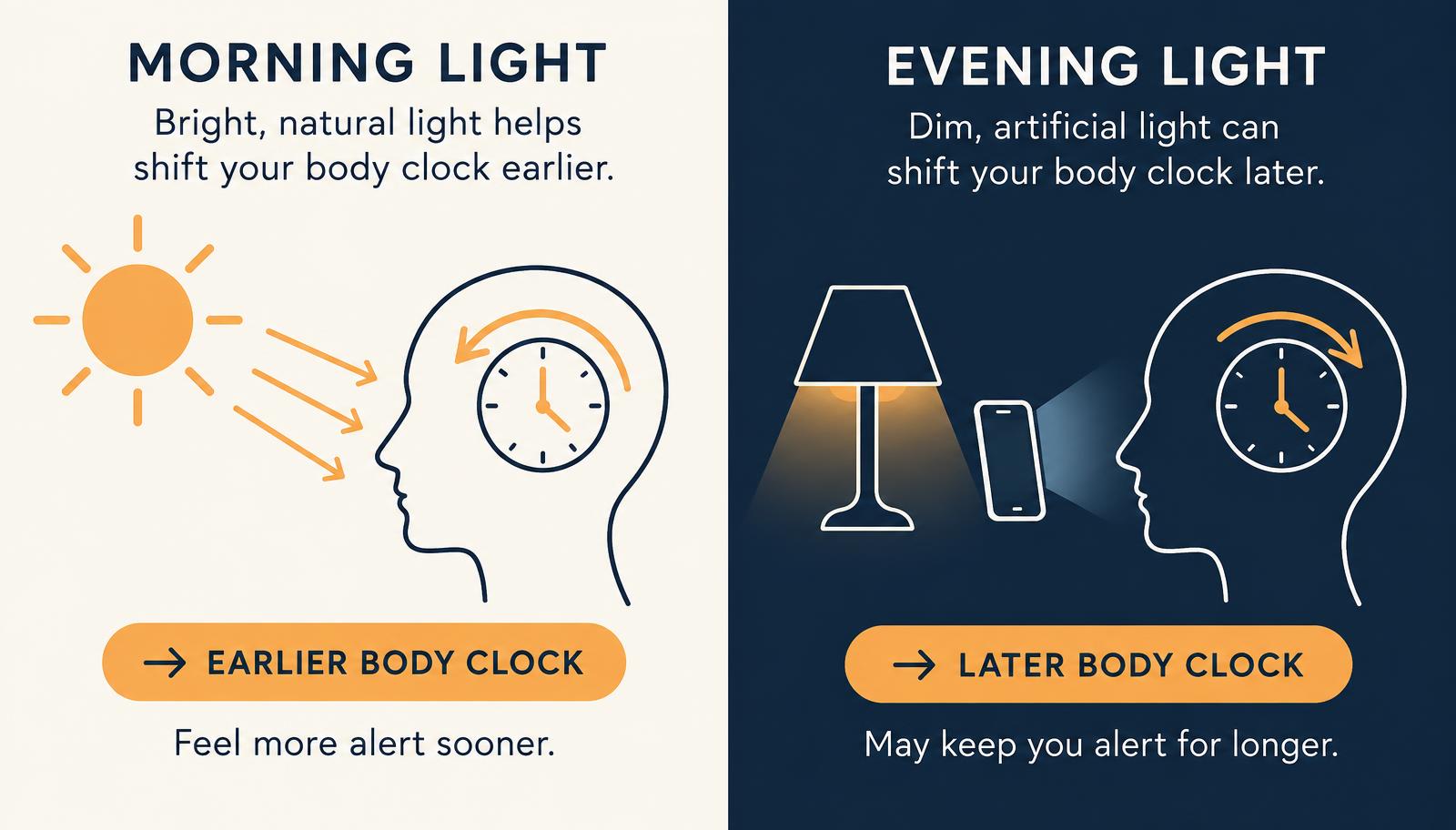
Morning daylight is one of the strongest signals for anchoring your body clock, helping set the timing for alertness during the day and melatonin release later that night. It is especially useful because it comes early in the light-sensitive window the body clock relies on. UK winters make this harder, but there are realistic ways to get more usable light.
6 min read · Published 24 September 2026
In short
- Morning light helps set the timing of your whole 24-hour rhythm, not just how awake you feel.
- Getting daylight soon after waking reinforces a stable, earlier-leaning body clock.
- Dark UK winter mornings make natural light exposure genuinely harder to get.
- Even brief, imperfect exposure can be more useful than none at all.
- Consistency across most days matters more than a single perfect morning.
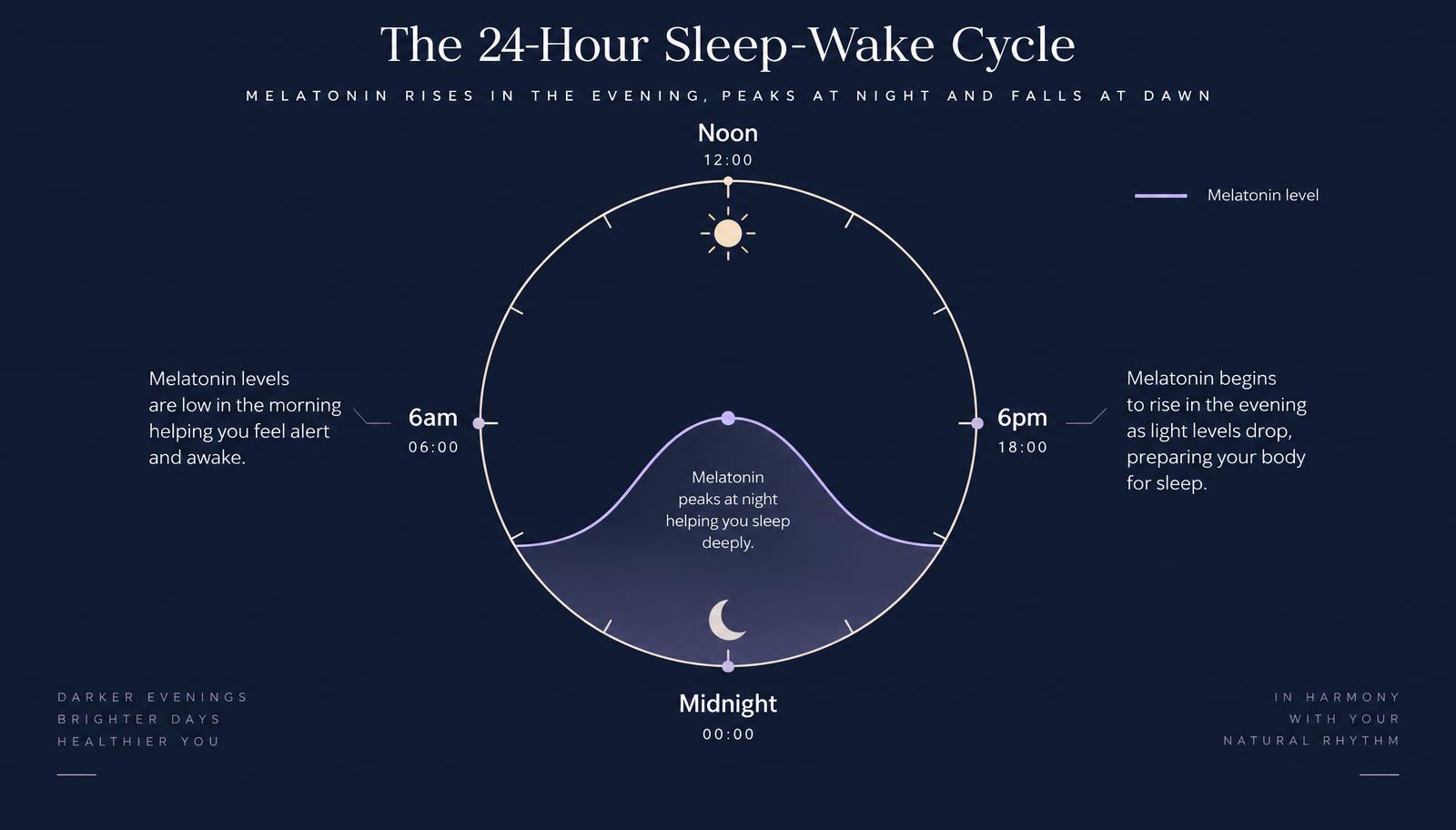
The body clock relies heavily on light as its main timing cue, and morning light plays a particularly important role. As explained in Why does light affect melatonin?, specialised cells in the eye detect ambient brightness and relay it to the brain's master clock, which in turn influences melatonin. Morning is a key window for this signal.
Why morning light carries so much weight
The body clock does not simply reset itself each day from nothing; it runs on an internal rhythm that is slightly longer than 24 hours in many people, and needs a daily nudge to stay aligned with the actual day. Light exposure soon after waking provides that nudge, effectively telling the brain's master clock that the day has begun and helping to anchor the whole rhythm that follows.
This has knock-on effects many hours later. A body clock that receives a clear morning signal tends to produce melatonin at a more predictable, earlier evening time, supporting easier sleep onset. Without that morning anchor, the whole rhythm can drift later, a pattern discussed further in What happens when your sleep schedule shifts?
What counts as useful morning light
Outdoor daylight, even under cloud cover, is typically far brighter than any indoor lighting, which is why stepping outside tends to be more effective than simply opening curtains and staying indoors. That said, being near a window with a clear view of the sky is still meaningfully better than staying in a dim room.
- Time outdoors, even for a short walk, tends to provide the strongest signal.
- Sitting near a bright window is a reasonable second option.
- Overhead indoor lighting is weaker but still better than staying in dim conditions.
- Consistency in timing, roughly the same time each morning, supports the strongest effect over weeks.
The particular challenge of UK winter mornings
In much of the UK, winter sunrise can fall well after eight o'clock, meaning many people leave for work or school in genuine darkness. This is a real practical obstacle, not a failure of willpower, and it is worth acknowledging rather than glossing over. Reduced natural morning light in winter is one reason some people notice their sleep and mood shift with the seasons.
A worked example: two commuters, two winters
Consider two people who both leave home at half past seven on a dark December morning. One walks the last ten minutes of their journey outdoors, glances towards the sky at the bus stop, and eats breakfast beside the kitchen window once home. The other drives directly from a dim hallway into an underground car park and works at a desk away from any window until midday. Neither is doing anything unusual, but the difference in cumulative light exposure by late morning is likely to be substantial.
Over a single day this difference is unlikely to be noticeable. Repeated across a working week, however, it can plausibly contribute to the second commuter feeling more sluggish in the morning and less sleepy at a reasonable bedtime, simply because their body clock has had fewer clear cues about when the day began. Small, repeatable choices about where you sit, walk or eat breakfast can add up in a way that a single dramatic change would not.
Realistic suggestions rather than perfect ones
It is not necessary to achieve ideal outdoor light exposure every single morning for the body clock to benefit. Even modest, imperfect steps taken regularly can help, and these are worth thinking of as habits rather than one-off fixes.
- Open curtains or blinds as soon as you wake, even before getting up.
- Take a short walk outdoors, even briefly, if your schedule allows it.
- Have breakfast or your morning routine near a window rather than in a dim room.
- Use brighter indoor lighting deliberately on darker mornings, recognising it is a weaker substitute for daylight.
- Try to keep morning light exposure roughly consistent in timing across the week, including weekends.
Does cloud cover really matter that much?
It is a common assumption that a grey, overcast UK morning offers little useful light, but even heavily clouded daylight is usually many times brighter than typical indoor lighting. The difference between a bright summer morning and a dull winter one is real and worth acknowledging, yet the gap between any outdoor daylight and an indoor room lit by lamps or ceiling lights tends to be far larger still. This is part of why stepping outside, even briefly and even under grey skies, is generally more useful than staying indoors and waiting for better weather.
How morning light fits with evening habits
Morning light does not work in isolation; it pairs with what happens in the evening. A bright, consistent morning combined with dimmer, calmer evenings gives the body clock the clearest possible signal about when day and night begin. Evening light, screens, and sleep looks at the other half of this picture, while How to build a more consistent sleep schedule brings the two together into a practical routine.
The link between morning light and daytime mood
Beyond its role in timing melatonin, morning light exposure is also associated with feeling more alert and generally more positive during the day for many people, likely because the same light-sensing pathway that influences the body clock also has broader effects on mood-related brain activity. This is a further reason morning light is worth prioritising beyond its narrower role in sleep timing alone.
This connection is part of why reduced natural light in winter is sometimes linked with lower mood for some people, though it is worth being cautious about drawing too strong a personal conclusion from a general pattern, since individual experiences vary considerably.
Why weekday and weekend mornings can differ so much
Many people get a reasonably consistent morning light signal on working days, simply through the routine of commuting or leaving the house, but let this lapse at weekends by staying indoors and waking later. This inconsistency can itself contribute to the body clock drifting slightly later over the weekend, only to be dragged back earlier again once the working week resumes, sometimes called social jet lag.
Keeping weekend wake times and morning light exposure closer to weekday levels, even if not identical, can reduce this weekly back-and-forth and make Monday mornings feel less jarring.
A note on artificial bright light devices
Specialist light devices designed to mimic bright daylight exist and are sometimes used, particularly in winter, to supplement natural morning light. These are considerably brighter than ordinary household lighting and are designed with this specific purpose in mind, unlike a regular desk lamp. Anyone considering such a device, especially if they have an existing eye condition or are using other treatments, should discuss this with a GP or pharmacist rather than purchasing one based on general assumptions about its effects.
Adapting morning light habits to different schedules
Not everyone wakes at a conventional hour, and the principle behind morning light still applies even for people with unusual schedules, such as those who wake in the early afternoon after night work. For them, the equivalent of "morning light" is the first bright light exposure after their main sleep period, regardless of the actual clock time, since it is this first exposure that carries the strongest signal to the body clock.
This reframing matters because rigidly applying advice meant for a nine-to-five schedule to someone with a very different working pattern can be unhelpful or even confusing. The underlying principle, that the first substantial light exposure after waking carries particular weight, holds regardless of what time that happens to be.
Common questions
Does morning light help even if I am not a morning person?
Yes, morning light exposure can be useful regardless of natural chronotype, though people who lean towards later sleep timing may need to be more deliberate about seeking it out. It works with your existing rhythm rather than requiring you to become an early riser overnight.
Can a bright lamp replace daylight in winter?
Ordinary indoor lighting is much dimmer than daylight and is a weaker signal, though it is still better than remaining in a dark room. Some people use specially designed bright light devices in winter, but this is worth discussing with a GP or pharmacist rather than assuming any lamp will do.
How soon after waking should I try to get light?
There is no strict rule, but getting light within the first hour or so after waking is generally considered more effective than waiting several hours, since it aligns with the window the body clock is most responsive during.
Sources
Written by The Melatonin UK editorial team.
Published 24 September 2026. This article is general information about sleep and the body clock. It is not medical advice, and it does not replace a conversation with your GP or pharmacist.
Read next
The Body Clock
Why does light affect melatonin?
Light is the single strongest signal your body uses to time melatonin release. Specialised cells in the eye detect brightness, quite separately from normal vision, and pass that information to the brain's master clock, which controls the pineal gland. Brightness, timing and duration of light exposure all matter, not just its colour.
6 min readRead the guide →
The Body Clock
Evening light, screens, and sleep
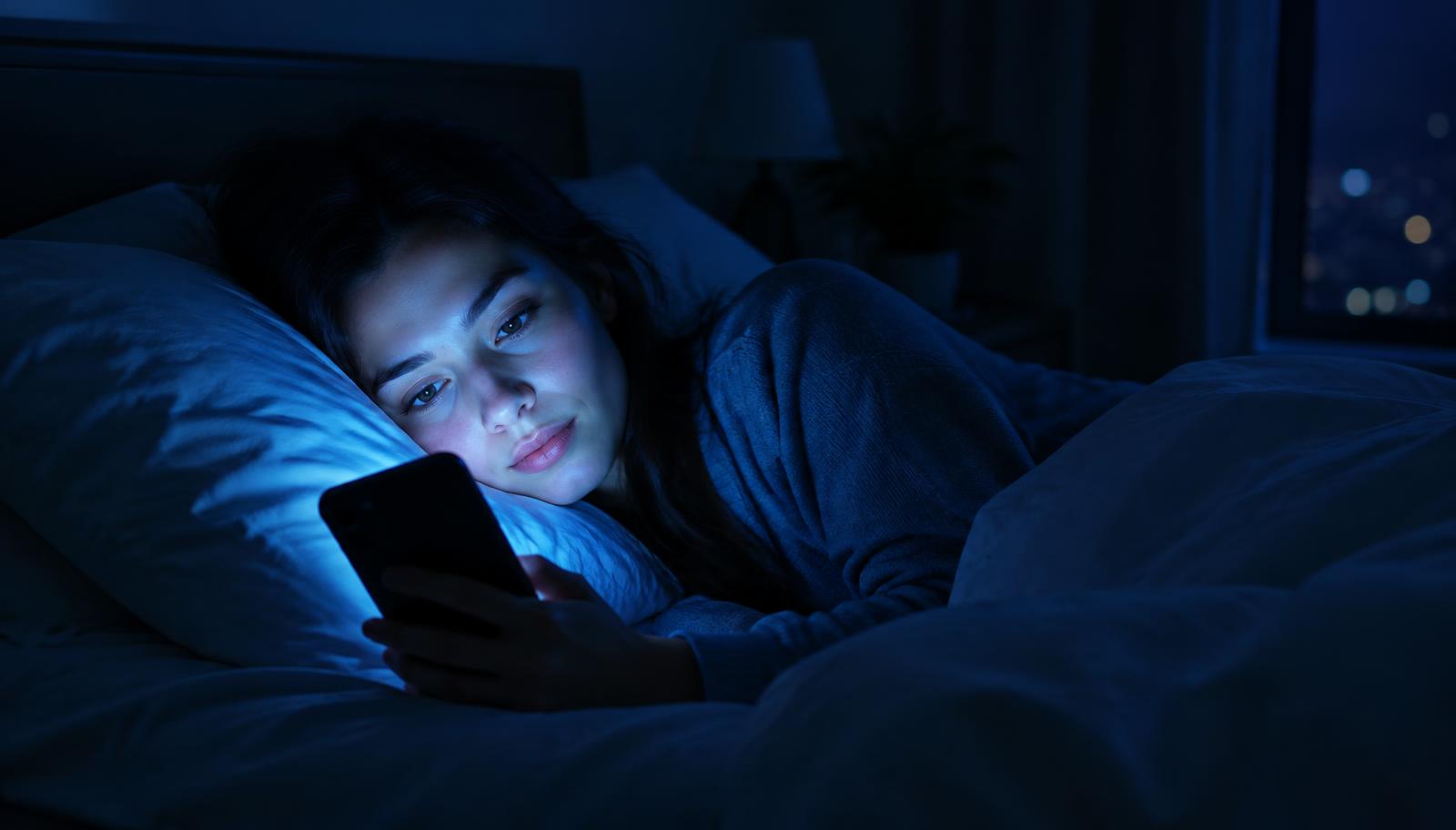
Evening light can delay the rise of melatonin and shift the body clock later, particularly when it is bright and prolonged. The evidence for screens specifically is more mixed than commonly assumed, and factors like stimulating content and general arousal often play as large a role as the light itself. Both light and what you are doing on the screen are worth considering.
6 min readRead the guide →
Better Sleep
How to build a more consistent sleep schedule
A more consistent sleep schedule is usually best built gradually, anchored around a fixed wake time rather than a fixed bedtime, supported by consistent light exposure. Small, sustainable adjustments over days or weeks tend to work better than sudden changes. The goal is a rhythm the body clock can rely on, not a single perfect night.
6 min readRead the guide →