
Sleep Questions
Why do I feel sleepy after lunch?
Feeling sleepy after lunch often reflects a natural early-afternoon dip in alertness, rather than something you have eaten. Short or disrupted sleep and a heavy meal can make it more noticeable, while daylight, movement and regular sleep habits may help.
5 min read · Published 30 October 2026
In short
- Your body clock can create an afternoon dip in alertness, even without lunch.
- Poor sleep can make an ordinary dip feel much stronger.
- A large lunch may add to drowsiness, but food is not the whole explanation.
- Daylight, gentle movement and a change of task may help you feel more alert.
- Frequent unintended dozing or persistent tiredness deserves attention.
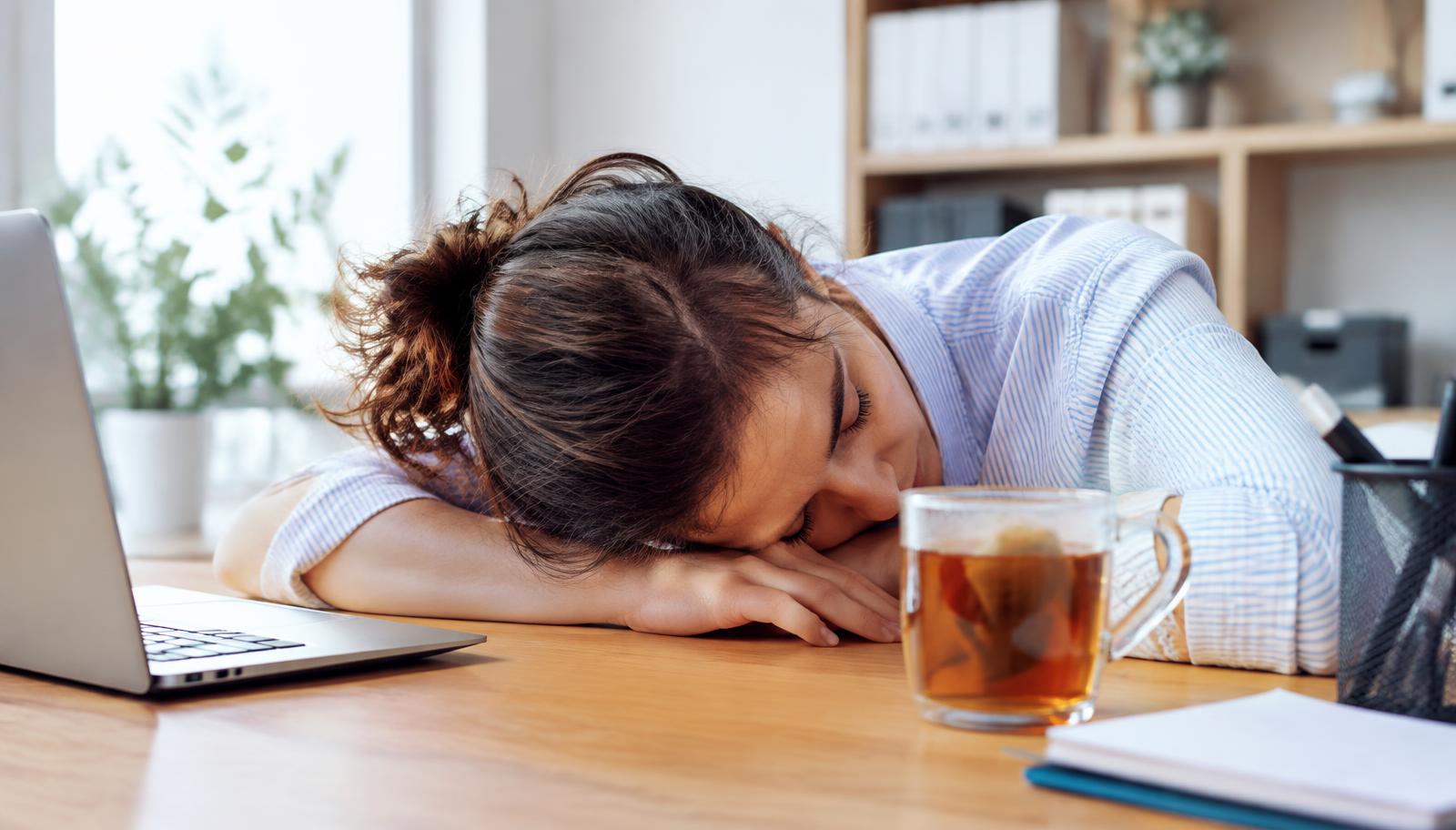
You have finished lunch, settled back into your chair and opened your next task. Suddenly, your eyelids feel heavy and concentrating takes more effort. It is easy to blame the sandwich, but that familiar afternoon slump often has more to do with your daily rhythm than your lunch.
A mild dip in alertness is common. Understanding what sits behind it can help you plan your afternoon more comfortably, without assuming you need a supplement or another coffee. The important distinction is between a predictable lull and sleepiness that regularly interferes with everyday life.
Why does the afternoon dip happen?
Two overlapping systems help shape how awake you feel. Your body clock creates a roughly 24-hour pattern of alertness and sleep readiness. Meanwhile, sleep pressure builds the longer you stay awake and eases when you sleep. Your energy does not simply fall in a straight line from breakfast to bedtime.
For many adults who sleep at night, there is a natural lull in alertness in the early afternoon. It is sometimes called the post-lunch dip, but it can happen even when you do not eat lunch. The name describes when people often notice it, rather than proving that food causes it.
The timing and strength vary between people. Your usual sleep schedule, body-clock timing and recent sleep all play a part. If you have slept badly, the same afternoon lull may feel less like a gentle slowdown and more like a struggle to keep your eyes open.
Does what you eat for lunch make a difference?
Food can influence how you feel after eating, but there is no single lunch ingredient that explains everyone's afternoon slump. A large, heavy meal may make drowsiness more noticeable. Alcohol with lunch can also add to sleepiness, making it a poor fit for an afternoon that requires concentration.
It is tempting to label every sleepy afternoon a 'sugar crash'. However, feeling drowsy is not enough to show that your blood sugar has fallen abnormally. Ordinary changes in alertness, an unrefreshing night and the size of your meal can overlap. Symptoms alone cannot reliably separate those possibilities.
A balanced lunch in a portion that feels comfortable is a sensible starting point, rather than cutting out whole food groups. Including vegetables or fruit, a source of protein and higher-fibre starchy foods supports a varied diet. Think of this as everyday nourishment, not a guaranteed treatment for sleepiness.
If you want to understand your own pattern, notice whether the dip happens after different lunches and on days when you have slept well. A few brief notes about sleep, meals and afternoon alertness may reveal more than blaming one food after one unusually sleepy day.
What can help you feel more alert in the afternoon?
The aim is not to force yourself to feel equally energetic every hour. Small changes to your surroundings and activities may make a mild lull easier to navigate. They work best alongside adequate sleep, rather than as ways to push through repeated sleep loss.
- Take a daylight break. Stepping outside provides light that supports daytime alertness and gives you a change of scene.
- Move gently. A short walk or a few minutes away from your chair may help you feel more awake after a long spell of sitting.
- Change the task. If your schedule allows, alternate quiet, repetitive work with something more active or involving conversation.
- Keep water within reach. Staying hydrated supports normal functioning, although extra water is not a cure for sleep debt.
- Look at the previous night. Regular opportunities for sufficient sleep are more useful than relying on afternoon pick-me-ups.
Caffeine can temporarily increase alertness, but using it late in the day may make sleep harder that night. That can create an unhelpful pattern: a poor night, a difficult afternoon and more caffeine. Sensitivity varies, so an afternoon coffee is not an equally useful option for everyone.
Planning can help too. Where practical, place your most demanding work in the part of the day when you usually feel sharpest. A quieter afternoon slot can be a reasonable time for routine administration or a walking discussion, rather than a test of willpower.
Is melatonin involved in the afternoon slump?
Melatonin helps signal biological night. In adults with a typical daytime schedule, levels are generally low during daylight hours and rise in the evening under dim conditions. The ordinary afternoon dip is therefore not usually explained by a daytime surge of melatonin.
This is a useful reminder that melatonin and sleepiness are not interchangeable. You can feel sleepy because sleep pressure is building or because your alertness rhythm has dipped, without melatonin being high. There is no need to assume that an afternoon lull means your melatonin levels are wrong.
Research supports melatonin for certain sleep-related uses, particularly jet lag, but it is not an afternoon energy booster. Taking melatonin can cause sleepiness. For an everyday afternoon dip, the more relevant starting points are your sleep pattern, daytime environment and whether the sleepiness is mild or disruptive.
When is afternoon sleepiness more than a normal dip?
A brief lull is different from regularly falling asleep without intending to. It also helps to distinguish sleepiness from fatigue: sleepiness means you could doze off, while fatigue can feel like low energy or exhaustion without an urge to sleep. People can experience both together.
Persistent unexplained tiredness, frequent unintended dozing or symptoms that affect daily life are reasons to discuss the pattern with a GP. Loud snoring, gasping or choking during sleep are also worth mentioning, because disrupted breathing at night can leave someone sleepy despite spending enough time in bed.
Common questions
Is feeling sleepy after lunch normal? A mild, short-lived dip is common, especially during quiet activities. Sleepiness that is overwhelming, happens frequently or disrupts your life should not simply be dismissed as normal.
Would skipping lunch prevent it? Not necessarily. The body-clock-related dip can happen without a meal. Skipping lunch is not a reliable fix and may leave you hungry as well as less alert.
Can it happen after a good night's sleep? Yes. Good sleep does not remove every natural variation in alertness. The reassuring point is that a modest afternoon lull can fit within a healthy daily rhythm; it does not automatically mean something is wrong.
Sources
Written by Melatonin UK editorial team.
Published 30 October 2026. This article is general information about sleep and the body clock. It is not medical advice, and it does not replace a conversation with your GP or pharmacist.
Read next

Sleep Questions
Why do I struggle to fall asleep?
Difficulty falling asleep usually comes from a mismatch between several systems: how much sleep pressure has built up, how alert or wound-up your mind and body are, and whether your body clock is timed for sleep at that hour. Caffeine, alcohol, and worry about sleep itself can all make things worse. Working out which factor fits you best is more useful than assuming a single cause.
7 min readRead the guide →
Sleep Questions
Why do I wake up during the night?
Waking briefly during the night is a normal part of how sleep is structured and most people do not remember it happening. Problems tend to arise when those wakings become long, frequent, or hard to settle back from, which can be influenced by alcohol, needing the toilet, or a body clock nudging you towards early waking. Understanding which pattern fits your situation helps point towards what might help.
6 min readRead the guide →
Sleep Questions
Insomnia or a shifted body clock?
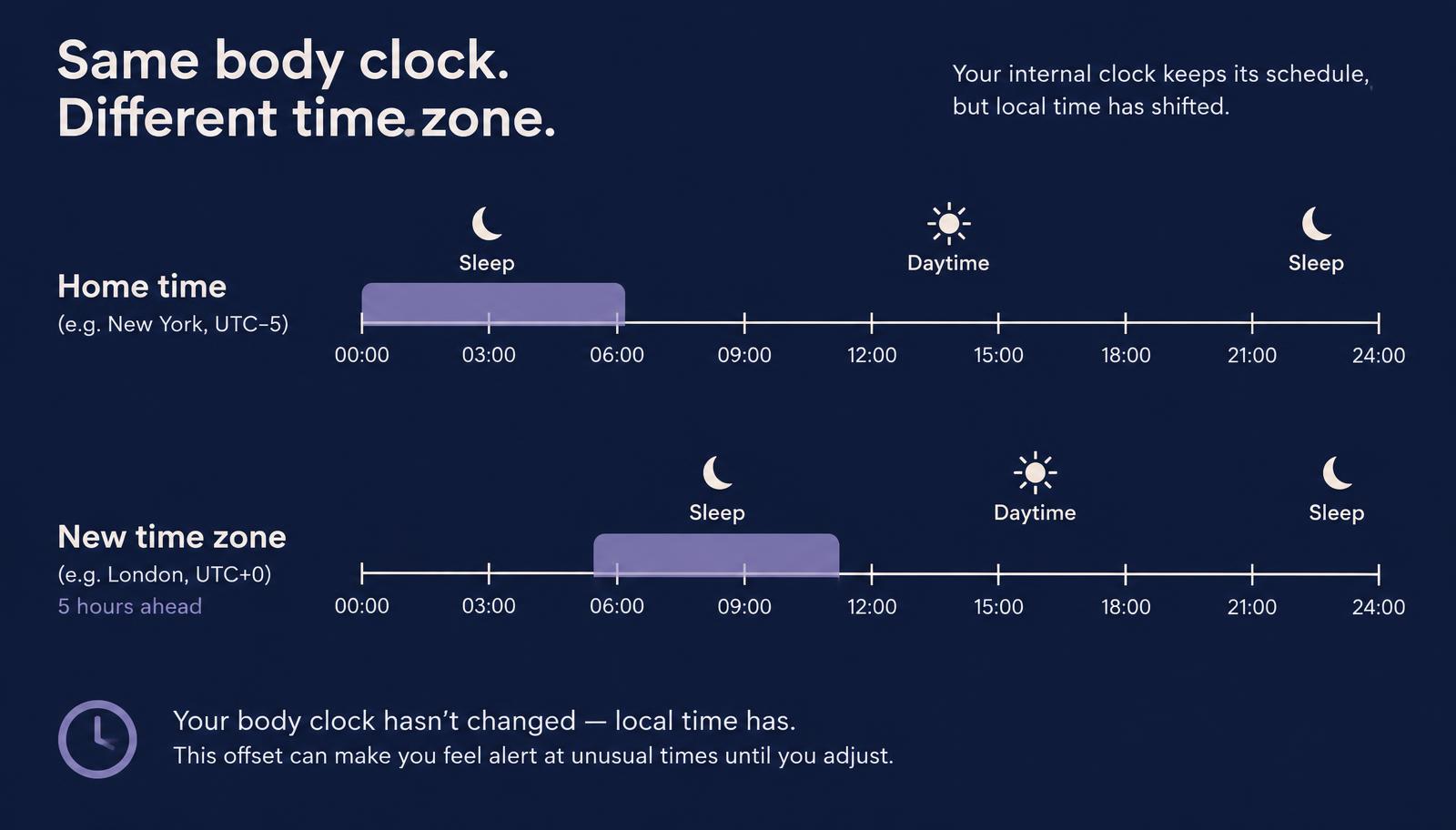
Insomnia and a shifted body clock can both cause difficulty sleeping, but they are different problems with different explanations. Insomnia involves trouble sleeping even when the opportunity and timing are right, while a shifted body clock means the timing itself is out of step with the schedule you are trying to keep. Telling them apart matters because the approaches that help each one are not the same.
6 min readRead the guide →