
Sleep Questions
What is sleep inertia, and why do I wake up groggy?
Sleep inertia is the temporary grogginess and reduced alertness that can follow waking up, even after a reasonable night's sleep. Allowing a gentle transition into the day can make mornings easier, while tiredness that continues well beyond waking deserves a closer look.
5 min read · Published 11 November 2026

In short
- Being awake and being fully alert are not quite the same thing.
- Sleep loss and waking during your biological night can make grogginess worse.
- Sleep inertia can happen after a nap as well as overnight sleep.
- A short buffer before demanding tasks can make mornings more manageable.
- Persistent daytime sleepiness should not simply be dismissed as sleep inertia.
The alarm has gone off, your eyes are open, and you are technically awake. Yet reading a message feels strangely difficult, getting dressed takes longer than it should, and the duvet seems to have developed a magnetic pull. That sluggish transition has a name: sleep inertia.
It is a normal part of waking for many people, rather than automatic proof of a poor night's sleep. Understanding it can take some of the pressure off mornings and help you distinguish an ordinary slow start from sleepiness that needs more attention.
What is sleep inertia?
Sleep inertia is the temporary period of reduced alertness after waking. You might feel heavy-eyed, mentally foggy or less coordinated than usual. Attention, reaction time and decision-making can be less sharp while the brain makes the transition from sleep to full wakefulness.
Think of waking as a process rather than an instant switch. Opening your eyes does not mean every part of your thinking is immediately running at its daytime pace. This explains why a simple task can feel surprisingly demanding just after an alarm, then perfectly manageable a little later.
The intensity and duration vary. Sometimes it is just a brief fuzzy feeling; at other times it takes longer to shake off. How much sleep you have had, when you wake and the sleep stage you wake from can all influence the experience.
Why are some mornings groggier than others?
One important influence is sleep loss. After too little sleep, the drive to keep sleeping is stronger. An alarm may get you out of bed without making you feel ready to think clearly. Repeated short nights can therefore turn an occasional slow start into a familiar morning pattern.
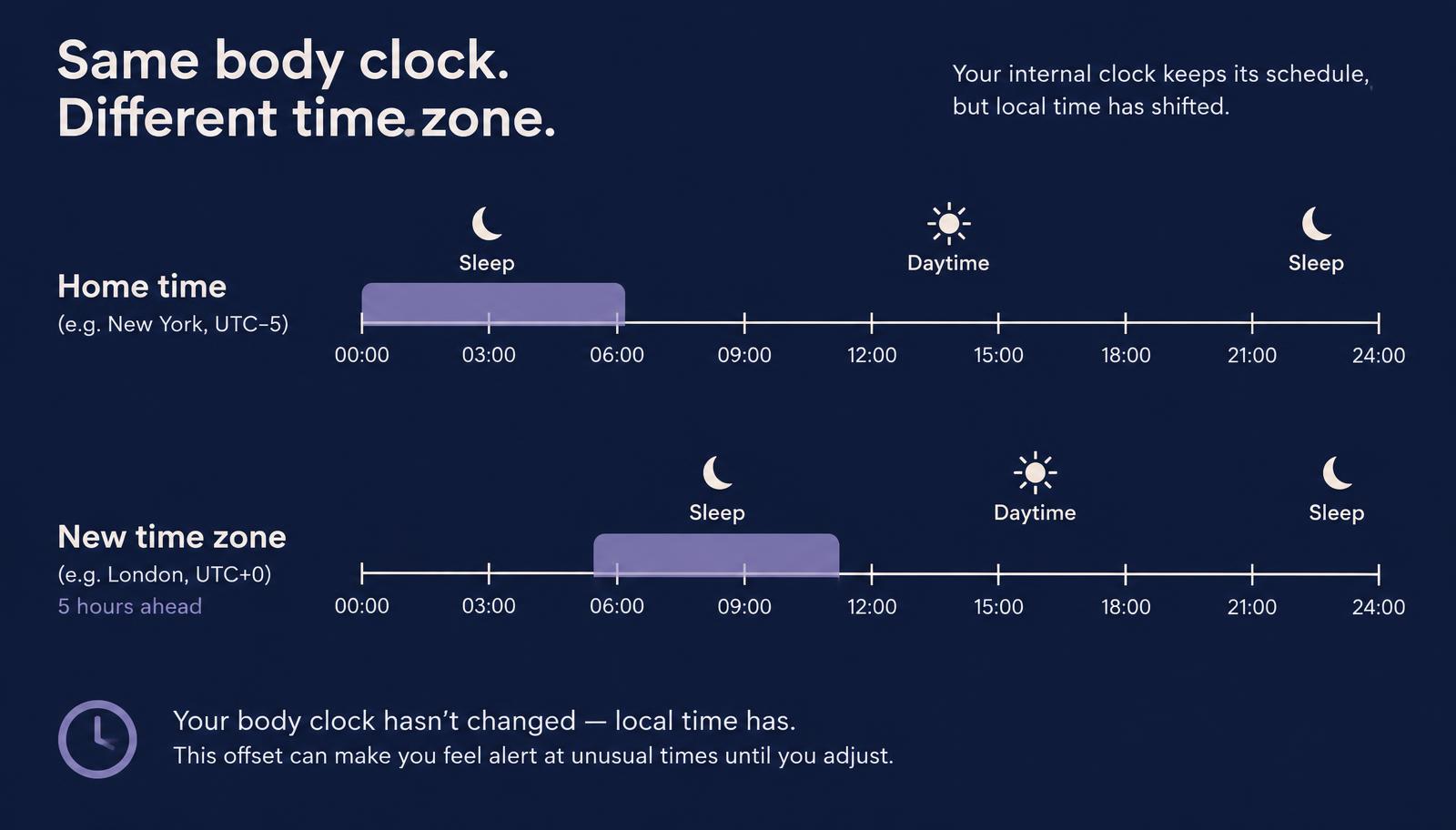
Your body clock also matters. Waking during your biological night, when your internal timing system is still promoting sleep, can be especially difficult. This can happen with very early starts, overnight work or travel across time zones. The clock on the wall and your internal sense of morning may temporarily disagree.
Waking from deeper sleep can contribute to stronger sleep inertia, although sleep stage is not the whole explanation. It is not usually possible to work backwards from a groggy morning and confidently identify the exact stage you were in.
Natural differences in sleep timing help explain why people respond differently to the same alarm. Someone whose body clock runs later may find an early start harder than someone who naturally wakes early. That is not a measure of motivation or willpower.
Is it sleep inertia, sleepiness or fatigue?
These feelings can overlap, but they describe different things. Sleep inertia is specifically linked to the transition out of sleep. Its defining feature is that it follows waking and then eases, rather than explaining every low-energy moment throughout the day.
- Sleep inertia: temporary fogginess or reduced alertness immediately after waking.
- Sleepiness: feeling that you could fall asleep, including at times when you intend to stay awake.
- Fatigue: a lack of energy or a sense of exhaustion, which does not necessarily come with the urge to sleep.
For example, feeling muddled while making breakfast but becoming comfortably alert afterwards is different from struggling to stay awake through meetings. Likewise, feeling drained all afternoon without wanting to doze may be better described as fatigue.
These distinctions are useful descriptions, not a way to diagnose yourself. A full night in bed does not always mean enough restorative sleep, and persistent tiredness can have causes beyond sleep habits.
How can you make the transition into the day easier?
The most useful approach is not to demand instant alertness. Where your schedule allows, build in a little space between waking and your first demanding responsibility. Preparing clothes, breakfast items or a work bag beforehand can reduce the number of decisions needed while you are still foggy.
Protecting enough time for sleep is more helpful than searching for a trick that cancels out a short night. A reasonably consistent sleep and wake pattern also supports the body clock, making mornings less dependent on abrupt changes from one day to the next.
- Leave a buffer before complex work, important decisions or other tasks that need sharp attention.
- Open curtains and move into normal daytime light once you are up.
- Use an uncomplicated sequence, such as getting dressed and preparing breakfast, rather than rushing through several tasks at once.
- Keep essential items in predictable places so the morning requires less searching and remembering.
- Allow for a slower start after disrupted sleep rather than assuming you will immediately perform at your best.
Light helps signal daytime to the body clock, but it is not a guaranteed instant cure for sleep inertia. Similarly, splashing your face or moving around may feel refreshing without proving that your reaction time has fully recovered.
When does morning grogginess deserve more attention?
Brief grogginess that clears is different from regularly finding it extremely difficult to wake or remaining sleepy for much of the day. If tiredness has continued for several weeks, affects everyday life or has no clear explanation, discussing it with a GP can help identify what is going on.
Other useful details include unintentional dozing, frequent night-time waking, or someone noticing loud snoring, gasping or pauses in breathing during sleep. These should not simply be written off as being a person who dislikes mornings.
A few brief notes can make that conversation clearer: when you sleep, when you wake, roughly when the fog lifts and whether you feel sleepy later. The aim is to describe the pattern, not to monitor every minute or award each night a score.
Common questions
Can sleep inertia happen after a nap? Yes. It can follow daytime sleep as well as overnight sleep. A nap may therefore leave you temporarily groggy before any refreshing effect becomes apparent. Allowing time to become fully alert is particularly important before safety-critical tasks.
Does waking groggy mean I need more sleep? Not necessarily. Sleep inertia can happen after adequate sleep. However, regularly cutting sleep short can make it worse. Looking at your overall sleep opportunity and daytime alertness is more informative than judging the first few moments after waking.
Is melatonin a remedy for morning sleep inertia? Melatonin is involved in signalling night-time, not producing instant morning alertness. It is not an established remedy for ordinary sleep inertia, and melatonin products can cause daytime drowsiness. Morning grogginess alone is not a reason to assume you need melatonin.
Should everyone wake feeling immediately refreshed? No. A gentle transition into wakefulness is normal for many adults. The useful goal is not a perfect, energetic first minute, but enough sleep and a morning that gradually leads into comfortable daytime alertness.
Sources
Written by Melatonin UK editorial team.
Published 11 November 2026. This article is general information about sleep and the body clock. It is not medical advice, and it does not replace a conversation with your GP or pharmacist.
Read next

Sleep Questions
Why do I struggle to fall asleep?
Difficulty falling asleep usually comes from a mismatch between several systems: how much sleep pressure has built up, how alert or wound-up your mind and body are, and whether your body clock is timed for sleep at that hour. Caffeine, alcohol, and worry about sleep itself can all make things worse. Working out which factor fits you best is more useful than assuming a single cause.
7 min readRead the guide →

Sleep Questions
Why do I wake up during the night?
Waking briefly during the night is a normal part of how sleep is structured and most people do not remember it happening. Problems tend to arise when those wakings become long, frequent, or hard to settle back from, which can be influenced by alcohol, needing the toilet, or a body clock nudging you towards early waking. Understanding which pattern fits your situation helps point towards what might help.
6 min readRead the guide →
Sleep Questions
Insomnia or a shifted body clock?
Insomnia and a shifted body clock can both cause difficulty sleeping, but they are different problems with different explanations. Insomnia involves trouble sleeping even when the opportunity and timing are right, while a shifted body clock means the timing itself is out of step with the schedule you are trying to keep. Telling them apart matters because the approaches that help each one are not the same.
6 min readRead the guide →