
Research & Safety
How much melatonin have studies used?
Research has used a wide range of melatonin amounts, most often somewhere between 0.5 mg and 5 mg in studies of jet lag and sleep timing, with some studies using more. Reviews have not found that higher amounts reliably work better, and higher amounts are more likely to leave melatonin active into the morning. This page describes research; it is not a recommendation, and what suits an individual is a question for a GP or pharmacist.
6 min read · Published 24 September 2026

In short
- Studies have used a wide range of amounts, commonly between 0.5 mg and 5 mg.
- The Cochrane review of jet lag found amounts of 0.5 mg and 5 mg similarly effective, with 5 mg helping people fall asleep slightly faster.
- Small amounts can raise blood melatonin above the body's own night-time levels.
- Higher amounts are more likely to cause next-day drowsiness without clear extra benefit.
- Product labels may not match contents, so the amount on the pack is not always the amount taken.
Questions such as "can I take 10 mg of melatonin?" or "is 20 mg too much?" are some of the most common people ask. This page cannot answer them for you personally, because the right amount depends on age, health, other medicines and the reason for using melatonin. What it can do is describe what research has used and what it has found, so that a conversation with a pharmacist starts from better information.
The range used in research
Clinical studies of melatonin have used amounts ranging from fractions of a milligram up to much larger quantities in specialist research. In studies of jet lag and sleep timing, amounts commonly fall between 0.5 mg and 5 mg. Reference sources including StatPearls describe this range, and the NHS describes melatonin products in the low milligram range.
The Cochrane review Melatonin for the prevention and treatment of jet lag compared studies using different amounts. It reported that 0.5 mg and 5 mg were similarly effective at reducing jet lag symptoms, although people using 5 mg tended to fall asleep a little faster. Melatonin and jet lag discusses these findings.
Why more is not necessarily better
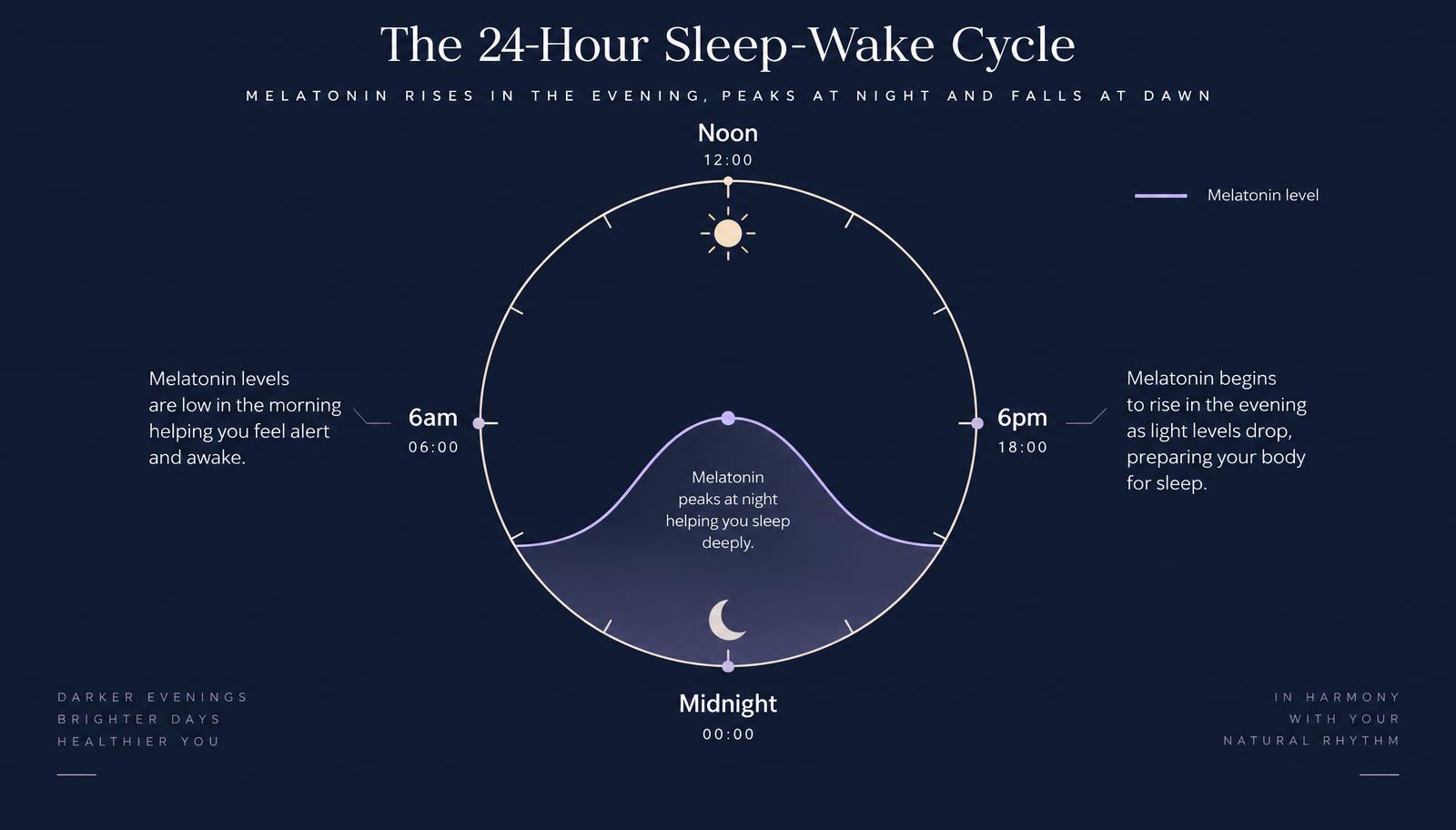
The body's own night-time melatonin reaches only small concentrations in the blood. Studies have shown that even amounts well under a milligram taken by mouth can raise blood levels above that natural peak. Larger amounts produce levels many times higher, which then take longer to clear.
- Higher levels last longer, making next-day drowsiness more likely.
- The timing signal to the body clock does not appear to strengthen in step with the amount.
- Reported side effects, such as headache and dizziness, may be more likely at higher amounts.
- Interactions with other medicines may matter more at higher levels.
Can melatonin make you groggy the next day? explains how lingering levels feel.
The amount on the label
Research uses carefully measured melatonin. Products bought by the public may not be so precise. A 2023 JAMA study of US gummy products found that most contained amounts different from their labels, some much higher. The amount a person actually takes may therefore differ from what they think. Melatonin gummies: what to know covers this.
Why individual advice matters
Age, liver function, body size and other medicines all affect how much melatonin reaches the bloodstream and how long it stays there. Some medicines, such as the antidepressant fluvoxamine, can raise melatonin levels many times over. Children, older adults and people who are pregnant or breastfeeding are separate questions altogether. Melatonin and other medicines and Questions to ask a pharmacist about melatonin can help you prepare.
Common questions
Is 10 mg of melatonin too much?
Ten milligrams is above the range most commonly used in jet lag and sleep-timing studies, and research has not shown that higher amounts reliably work better. Whether any amount is appropriate for you is a question for a pharmacist or GP.
What happens if someone takes a lot of melatonin?
Higher amounts are more likely to cause drowsiness, headache, dizziness or nausea. If you are worried about how much someone has taken, contact NHS 111.
Why do products come in such different strengths?
Products are made for different purposes and markets. Strength on a label does not indicate what suits a particular person.
A 2017 study in the Journal of Clinical Sleep Medicine by Erland and Saxena tested 31 melatonin supplements and found the actual content ranged from 83% less to 478% more than the label stated, which is why choosing a reputable product matters.
Sources
- Cochrane – Melatonin for the prevention and treatment of jet lag
- StatPearls – Melatonin (NCBI Bookshelf)
- NHS – Melatonin
- BNF – Melatonin
- Cohen et al. (2023), Quantity of melatonin in gummy supplements, JAMA
- Erland & Saxena (2017) – Variability of melatonin content in supplements, Journal of Clinical Sleep Medicine
Written by The Melatonin UK editorial team.
Published 24 September 2026. This article is general information about sleep and the body clock. It is not medical advice, and it does not replace a conversation with your GP or pharmacist.
Read next
Research & Safety
What has research studied about melatonin and sleep?
Melatonin has been researched most extensively for jet lag, shift work adjustment, delayed sleep timing, and helping some people fall asleep faster. The evidence is stronger and more consistent in some of these areas than others, and important questions remain about long-term use, ideal timing, and how much individual response varies. Understanding the strength and limits of this research helps set realistic expectations.
6 min readRead the guide →

Research & Safety
Melatonin and next-day grogginess
Next-day drowsiness is one of the side effects most often reported with melatonin. It is usually mild and temporary, and it seems to relate to timing, the amount taken, the release type and individual differences in how quickly the body clears melatonin. Anyone who feels drowsy should avoid driving or operating machinery until it passes and talk to a pharmacist about why it might be happening.
6 min readRead the guide →

Research & Safety
Questions to ask a pharmacist about melatonin
A pharmacist is a good first port of call for questions about melatonin, particularly around interactions and general suitability, but they will sometimes need to refer you to a GP. Preparing your medical history and a clear list of questions makes the conversation far more useful.
5 min readRead the guide →