
Research & Safety
Can melatonin make you groggy the next day?
Next-day drowsiness is one of the side effects most often reported with melatonin. It is usually mild and temporary, and it seems to relate to timing, the amount taken, the release type and individual differences in how quickly the body clears melatonin. Anyone who feels drowsy should avoid driving or operating machinery until it passes and talk to a pharmacist about why it might be happening.
6 min read · Published 24 September 2026

In short
- Drowsiness, including the next morning, is among the most commonly reported side effects of melatonin.
- Taking melatonin late at night or using prolonged-release forms can leave more melatonin active near waking time.
- People clear melatonin at different speeds, partly because of liver function and some medicines.
- The NHS advises against driving or using machinery if melatonin makes you feel sleepy.
- Grogginess can also come from poor sleep itself, so melatonin is not always the cause.
Some people expect melatonin to help them wake up fresh and are surprised to feel slow and foggy the next morning instead. This "hangover" feeling is well recognised. The NHS lists sleepiness among melatonin's common side effects, and research summaries describe drowsiness as one of the effects most often reported in studies. Understanding why it happens makes it easier to have a useful conversation with a pharmacist.
Why grogginess happens
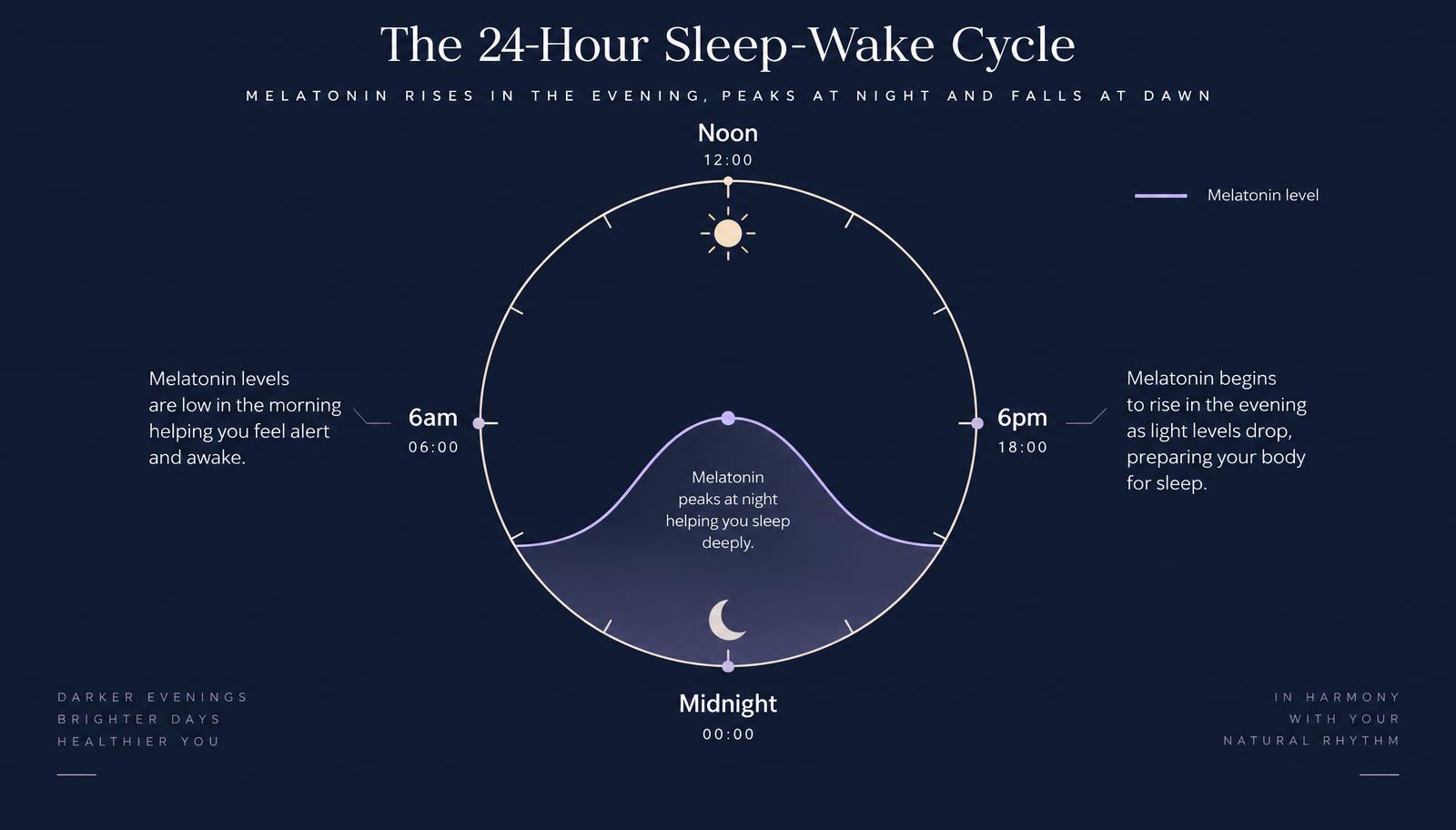
Melatonin taken by mouth is usually absorbed within an hour or so and, in its standard form, cleared fairly quickly. If melatonin levels are still raised when you wake, however, the body receives a night-time signal during the morning. That mismatch can feel like heaviness, slowed thinking or a strong urge to go back to sleep.
Several things make lingering levels more likely. Taking melatonin late, for example in the small hours after lying awake, leaves less time for it to clear. Prolonged-release tablets are designed to release melatonin gradually over several hours, which is their purpose, but for some people that release continues closer to waking. How long does melatonin take to work? explains these release patterns.
Why it varies so much between people
Most melatonin is broken down in the liver by an enzyme known as CYP1A2. The activity of this enzyme varies between people, and some substances slow it down. Certain medicines, including the antidepressant fluvoxamine, are known to raise melatonin levels considerably in this way. Smoking tends to speed the enzyme up, while caffeine competes for the same pathway.
- Age: older adults may clear melatonin more slowly and can be more sensitive to drowsiness.
- Liver function: reduced liver function can slow clearance.
- Other medicines: some raise melatonin levels or add their own sedating effect.
- Amount: higher amounts can mean higher levels for longer.
- Product accuracy: a product may contain more melatonin than its label states.
When grogginess is not caused by melatonin
It is easy to blame melatonin for a slow morning, but short or broken sleep produces exactly the same feeling. So does sleep inertia, the ordinary grogginess of waking from deep sleep, which can last from a few minutes to half an hour. Alcohol the evening before, a late heavy meal or an irregular wake time can all contribute too. What can affect sleep quality? covers these factors.
If grogginess is new, persistent or severe, or comes with other symptoms, it is worth mentioning to a GP whether or not melatonin is involved.
What to discuss with a pharmacist
Because timing, form and amount all interact, a pharmacist can look at the whole picture rather than guess at one factor. It helps to note when you took the product, which form it was, what else you take, including caffeine and alcohol, and how long the grogginess lasted. Questions to ask a pharmacist about melatonin offers a fuller checklist.
Common questions
How long does melatonin grogginess last?
For most people who experience it, the feeling fades within a few hours of waking. If it lasts most of the day, speak to a pharmacist or GP.
Is next-day grogginess dangerous?
The feeling itself is not usually harmful, but reduced alertness matters for driving, cycling, machinery and, for older adults, the risk of falls.
Does morning light help?
Bright morning light suppresses melatonin and supports alertness, as explained in Morning light and your body clock, although it will not fully counter a large amount still circulating.
A 2019 systematic review in CNS Drugs by Besag and colleagues found that the side effects reported with melatonin were usually mild and short-lived, the most common being daytime sleepiness, headache and dizziness.
Sources
Written by The Melatonin UK editorial team.
Published 24 September 2026. This article is general information about sleep and the body clock. It is not medical advice, and it does not replace a conversation with your GP or pharmacist.
Read next

Research & Safety
Melatonin side effects: what is commonly reported
Commonly reported effects associated with melatonin include next-day grogginess, headache, dizziness, and mild nausea, though not everyone experiences these and reports vary between individuals and studies. Differences in dose, timing, formulation, and personal sensitivity all help explain why. Anyone considering melatonin, or experiencing unwanted effects, should speak to a GP or pharmacist for advice specific to their situation.
6 min readRead the guide →
Melatonin Basics
How long does melatonin take to work?
Standard immediate-release melatonin is usually absorbed quickly, with blood levels typically peaking within about an hour, and it is cleared fairly fast. Prolonged-release forms release melatonin gradually over several hours. But "working" depends on more than absorption: melatonin mainly shifts timing, so whether it has an effect also depends on where your body clock is and what is keeping you awake.
6 min readRead the guide →

The Body Clock
Morning light and your body clock
Morning daylight is one of the strongest signals for anchoring your body clock, helping set the timing for alertness during the day and melatonin release later that night. It is especially useful because it comes early in the light-sensitive window the body clock relies on. UK winters make this harder, but there are realistic ways to get more usable light.
6 min readRead the guide →