
Sleep Questions
What affects sleep quality?
Sleep quality is not just about how many hours you get; it depends on how continuous that sleep is, whether it is timed well against your body clock, the conditions you sleep in, your general health, stress levels, and substances like caffeine and alcohol. Because several factors usually contribute, improving sleep quality often means looking across all of them rather than fixing one thing alone.
6 min read · Published 24 September 2026
In short
- Sleep quality includes continuity and depth of sleep, not just total time in bed.
- Sleep timed against your natural body clock tends to be more restorative.
- Bedroom conditions such as light, noise, and temperature have a measurable effect.
- Underlying health conditions and stress can quietly undermine sleep quality.
- Caffeine and alcohol both affect sleep quality, often more than people expect.
It is possible to spend eight hours in bed and still wake up feeling unrefreshed, which is a reminder that sleep quality is about more than duration alone. Several separate factors combine to determine how restorative sleep actually is, and most people's sleep problems trace back to more than one of them.
Continuity: how unbroken your sleep is
Sleep that is frequently interrupted, even by brief awakenings you do not remember, tends to feel less restorative than the same number of hours slept continuously. This is because sleep moves through cycles of lighter and deeper stages, and repeated disruption can prevent enough time being spent in the deeper, more restorative parts of that cycle. Why do I wake up during the night? looks at what typically causes these interruptions.
Timing against your body clock
Sleep that happens at the time your internal body clock expects tends to be of better quality than the same amount of sleep taken at an unusual hour, which is one reason shift workers and frequent travellers often report poorer sleep even with adequate time in bed. Sleep and shift work covers this in more detail. A consistent daily schedule helps keep this timing well aligned.
The sleep environment
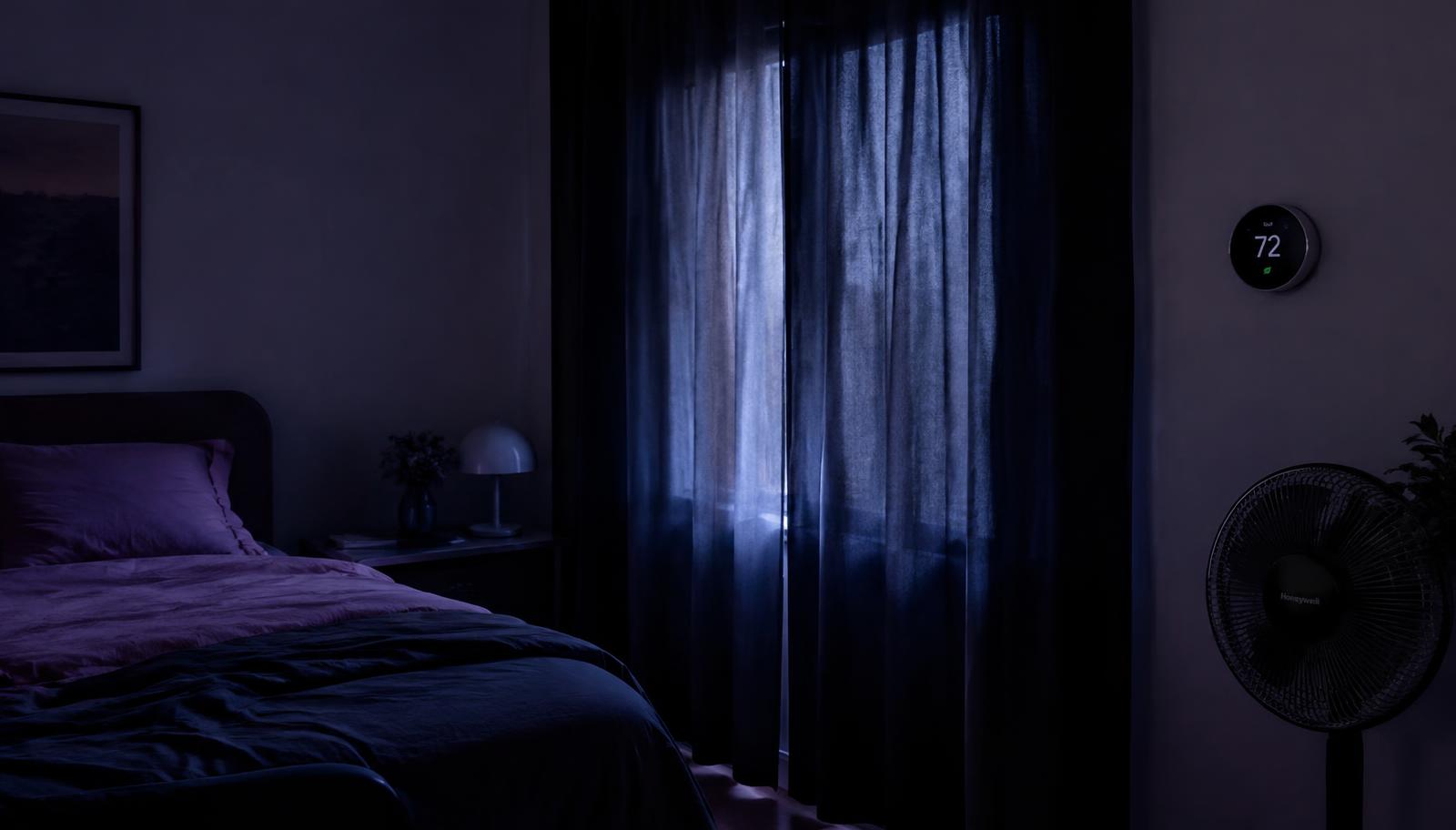
Light, noise, and temperature in the bedroom all influence how easily you fall asleep and how well you stay asleep. A room that is too warm, too bright, or too noisy can fragment sleep even if you do not fully wake up enough to notice at the time. Bedroom light, noise and temperature covers practical ways to improve these conditions.
Health conditions and stress
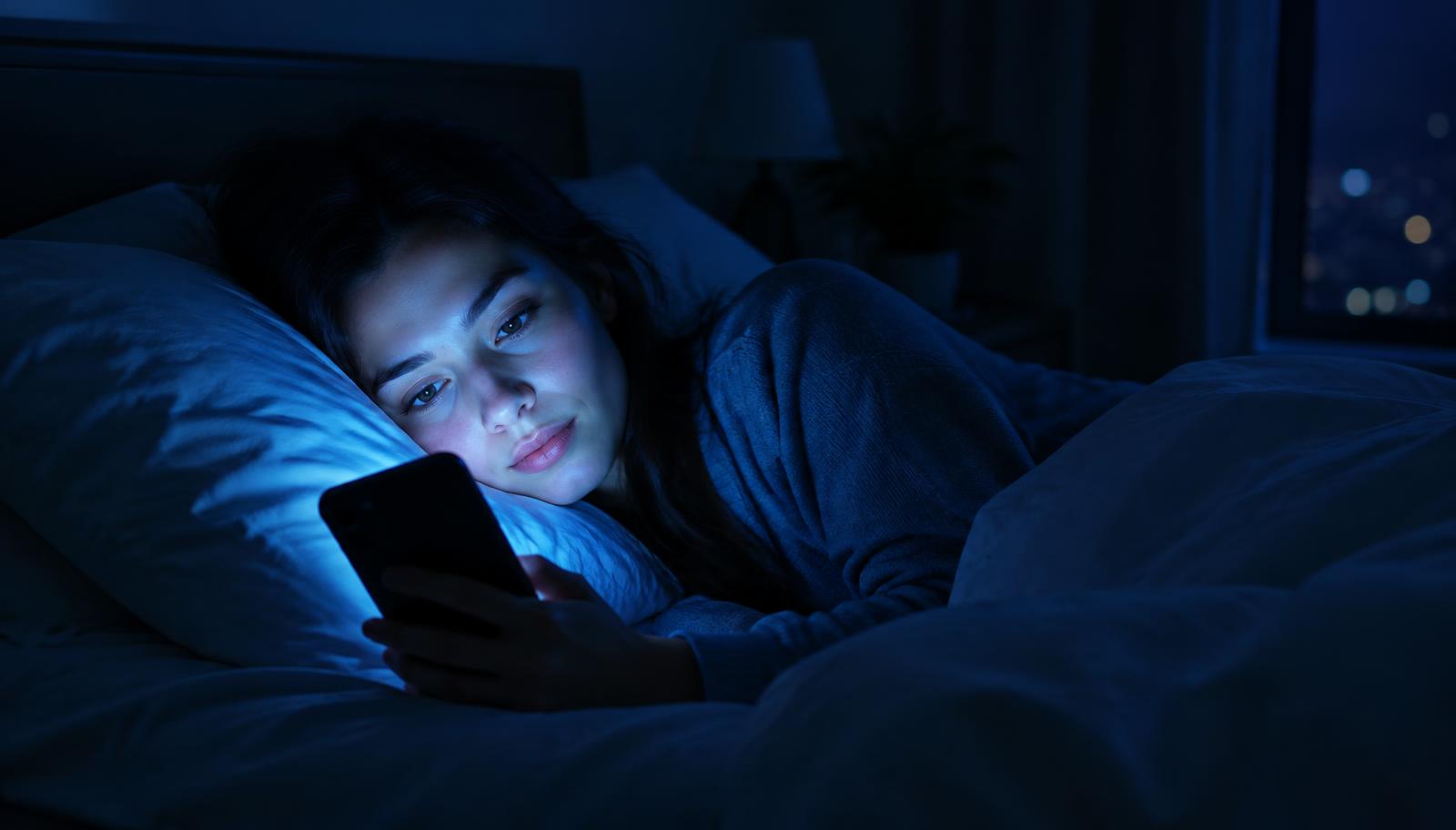
A range of health conditions, from pain and breathing difficulties to hormonal changes and mental health conditions, can affect sleep quality, sometimes without an obvious link being apparent to the person experiencing it. Stress and an overactive mind at bedtime are also common and well-recognised contributors, working through increased physical and mental arousal that makes both falling asleep and staying asleep harder.
Caffeine, alcohol, and other substances
Caffeine can delay sleep onset and reduce the depth of sleep even when taken hours before bed, particularly in people who metabolise it slowly. Alcohol may seem to help sleep begin but tends to fragment sleep later in the night. Nicotine and some over-the-counter or prescribed medicines can also affect sleep quality, which is worth raising with a pharmacist if you are unsure.
- Aim for a consistent sleep and wake time, even at weekends.
- Keep the bedroom dark, quiet, and cool.
- Be mindful of caffeine in the afternoon and evening.
- Treat alcohol as something that can fragment sleep rather than aid it.
- Flag ongoing poor sleep quality to a GP if habits and environment do not seem to explain it.
Exercise, meals, and the shape of your day
What happens during the day also feeds into night-time sleep quality. Regular daytime activity and, where possible, some natural daylight exposure tend to support a stronger sleep-wake rhythm and can deepen sleep once it begins. Large or rich meals close to bedtime can cause discomfort or reflux that fragments sleep, and vigorous exercise very late in the evening can leave some people too physically alert to settle quickly, though this varies between individuals. Daytime habits that influence sleep looks at how the whole day, not just the evening, shapes what happens at night.
Why these factors usually combine rather than act alone
In practice, poor sleep quality rarely comes down to a single cause. Someone might have a reasonably dark, quiet bedroom, but also drink coffee mid-afternoon, work an irregular shift pattern, and be going through a stressful period at work; each factor chips away a little at sleep quality, and together they can add up to a noticeably unrefreshing pattern. This is why a broad look across timing, environment, substances, and general health tends to be more productive than focusing on just one area, such as the mattress or the bedtime routine, in isolation.
Screens and light exposure through the day
Light exposure affects sleep quality at both ends of the day, not just in the evening. Bright, natural light in the morning and through the day helps reinforce a strong, well-timed body clock, which in turn supports deeper, more consolidated sleep at night. Conversely, dim, artificially lit days combined with bright screen use in the evening can blur the distinction between day and night for the body clock, making sleep both harder to start and less deep once it begins. Morning light and your body clock covers how to make the most of daylight exposure in practical terms.
It is worth being realistic that not every night will be perfect, and small variations in sleep quality from one night to the next are entirely normal. The more useful question is whether there is a consistent, ongoing pattern of poor sleep quality across most nights, since that is what points towards one or more of the factors above being worth addressing, rather than a single unusually poor night.
Why sleep quality varies so much between people
Two people with apparently similar habits and bedrooms can report quite different sleep quality, and part of this comes down to individual variation. Some people are more sensitive to caffeine, light, or noise than others, and factors such as age, general health, and even genetics can all play a role in how resilient someone's sleep is to a given disruption. This is worth bearing in mind before assuming that advice which works well for a friend or family member should automatically translate to your own experience.
This variation is also why it is sensible to treat general advice, including in this article, as a starting point for experimentation rather than a fixed prescription. Noticing what actually changes your own sleep quality, through a period of careful observation, is usually more useful than assuming a single universal rule applies to everyone.
Tracking changes over time
Because so many factors interact, it can be hard to know which change actually made a difference if several things are altered at once. Adjusting one factor at a time, for example moving caffeine intake earlier in the day for a week or two before also changing bedroom temperature, makes it easier to see what is actually helping. A simple sleep diary, similar to the one described in What to do when sleep problems continue, can support this process by giving you something more reliable than memory to compare across weeks.
It is also worth allowing enough time for a change to show its effect. Sleep does not always respond immediately, and a single good or bad night after adjusting one factor is not strong evidence either way; looking at the pattern across a week or two gives a much clearer picture.
The link between mental health and sleep quality
Anxiety and low mood have a well-recognised two-way relationship with sleep quality: poor sleep can worsen mood and concentration, while stress and mental health difficulties can in turn make sleep lighter and more fragmented. This can create a cycle that feels hard to break from either direction, which is one reason mental health is worth mentioning openly to a GP if sleep problems and low mood or anxiety are both present, rather than treating them as entirely separate issues.
Addressing sleep quality on its own, without acknowledging a significant underlying mental health difficulty, is unlikely to fully resolve either problem, which is why a GP assessment often looks at both together rather than treating poor sleep in isolation.
Common questions
Can I have good sleep quality on fewer hours?
To some extent, yes; more continuous, well-timed sleep tends to feel more restorative than the same or even slightly more time spent in fragmented sleep, though most adults still need a broadly sufficient total amount.
Does napping affect night-time sleep quality?
It can, particularly if naps are long or taken late in the day, since this can reduce the sleep pressure that helps you fall asleep and stay asleep at night.
Is it worth tracking my sleep to understand quality?
A simple sleep diary noting bed and wake times, awakenings, and how you feel in the morning can be genuinely useful, and is often the same tool a GP might ask you to keep, as described in What to do when sleep problems continue.
Sources
Written by The Melatonin UK editorial team.
Published 24 September 2026. This article is general information about sleep and the body clock. It is not medical advice, and it does not replace a conversation with your GP or pharmacist.
Read next
Sleep Questions
Why do I wake up during the night?
Waking briefly during the night is a normal part of how sleep is structured and most people do not remember it happening. Problems tend to arise when those wakings become long, frequent, or hard to settle back from, which can be influenced by alcohol, needing the toilet, or a body clock nudging you towards early waking. Understanding which pattern fits your situation helps point towards what might help.
6 min readRead the guide →
Better Sleep
Bedroom light, noise and temperature
A bedroom that is dark, quiet and on the cooler side tends to support better sleep, with temperature and light generally having the clearer effects and noise being more individually variable. None of these factors need to be perfect, but persistent problems with any of them, such as light UK summer mornings, are worth addressing rather than tolerating indefinitely.
6 min readRead the guide →

Better Sleep
Caffeine and sleep: why timing matters
Caffeine blocks a chemical called adenosine that builds up sleep pressure through the day, and it can remain active in the body for many hours after it is drunk. Cutting off caffeine in the early-to-mid afternoon is a sensible default for most people, though individual sensitivity varies considerably and hidden sources are easy to miss.
6 min readRead the guide →