
Research & Safety
Melatonin and sleep in older adults
Sleep patterns and the body's internal clock naturally shift with age, often leading to earlier bedtimes, lighter sleep, and more frequent waking. Research has looked at melatonin in this context, but daylight exposure and a consistent routine remain central, well-supported parts of the picture, and any decision about supplements should involve a GP or pharmacist.
6 min read · Published 24 September 2026

In short
- Sleep and circadian rhythm patterns change gradually with age, not just in illness.
- Older adults often experience earlier sleep timing and lighter, more fragmented sleep.
- Research has explored melatonin in older adults, but findings vary and should not be generalised.
- Daylight exposure and routine remain well-supported, low-risk habits at any age.
- A GP or pharmacist should be involved before considering melatonin, especially alongside other medicines.
Sleep tends to look different in later life than it did in younger adulthood, and this is a normal part of ageing rather than a sign that something has necessarily gone wrong. Understanding what typically changes, and what research has actually looked at regarding melatonin, helps put any individual concern into context.
How sleep and rhythm change with age
As people age, several aspects of sleep tend to shift gradually. Many older adults notice they feel sleepy earlier in the evening and wake earlier in the morning, a shift in timing rather than a shortening of the need for sleep itself. Sleep also tends to become lighter, with more frequent brief awakenings through the night, even when overall sleep need has not changed dramatically.
The body's internal clock, or circadian rhythm, and its associated melatonin pattern also change with age. Research has generally found that melatonin production tends to decline and its timing can shift earlier in some older adults, though this varies considerably between individuals. Our guide Melatonin and the circadian rhythm covers the underlying system in more detail.
- Earlier sleep and wake times are common and not automatically a problem.
- Sleep can become lighter and more easily interrupted.
- Underlying health conditions and some medicines can also affect sleep quality in later life.
- Daytime napping patterns can influence night-time sleep more noticeably than at younger ages.
What research has looked at
Because melatonin production can decline with age, researchers have examined whether taking melatonin might help some older adults with sleep difficulty. Findings across this research vary, and results are not consistent enough to support broad, individual claims about who will benefit or by how much. Our overview in Melatonin research and sleep discusses the general strengths and limitations of research in this area, many of which apply here too.
What matters for any individual is that a general research finding about a group of people does not translate directly into a personal recommendation. Age alone does not tell a pharmacist or GP everything they need to know; other health conditions and medicines commonly used in later life are just as relevant, if not more so.
The role of daylight and routine
Regardless of what any individual decides about melatonin, daylight exposure and a consistent daily routine remain well-supported, low-risk habits at any age. Getting outside or near a bright window earlier in the day helps reinforce the body clock's natural timing signals, which is covered in more depth in Morning light and your body clock.
A steady routine around meal times, activity, and going to bed at a similar time each night can also help support more consolidated sleep, as described in How to build a consistent sleep schedule. These approaches do not carry the same need for individual medical assessment that a supplement does, which makes them a sensible starting point for many people.
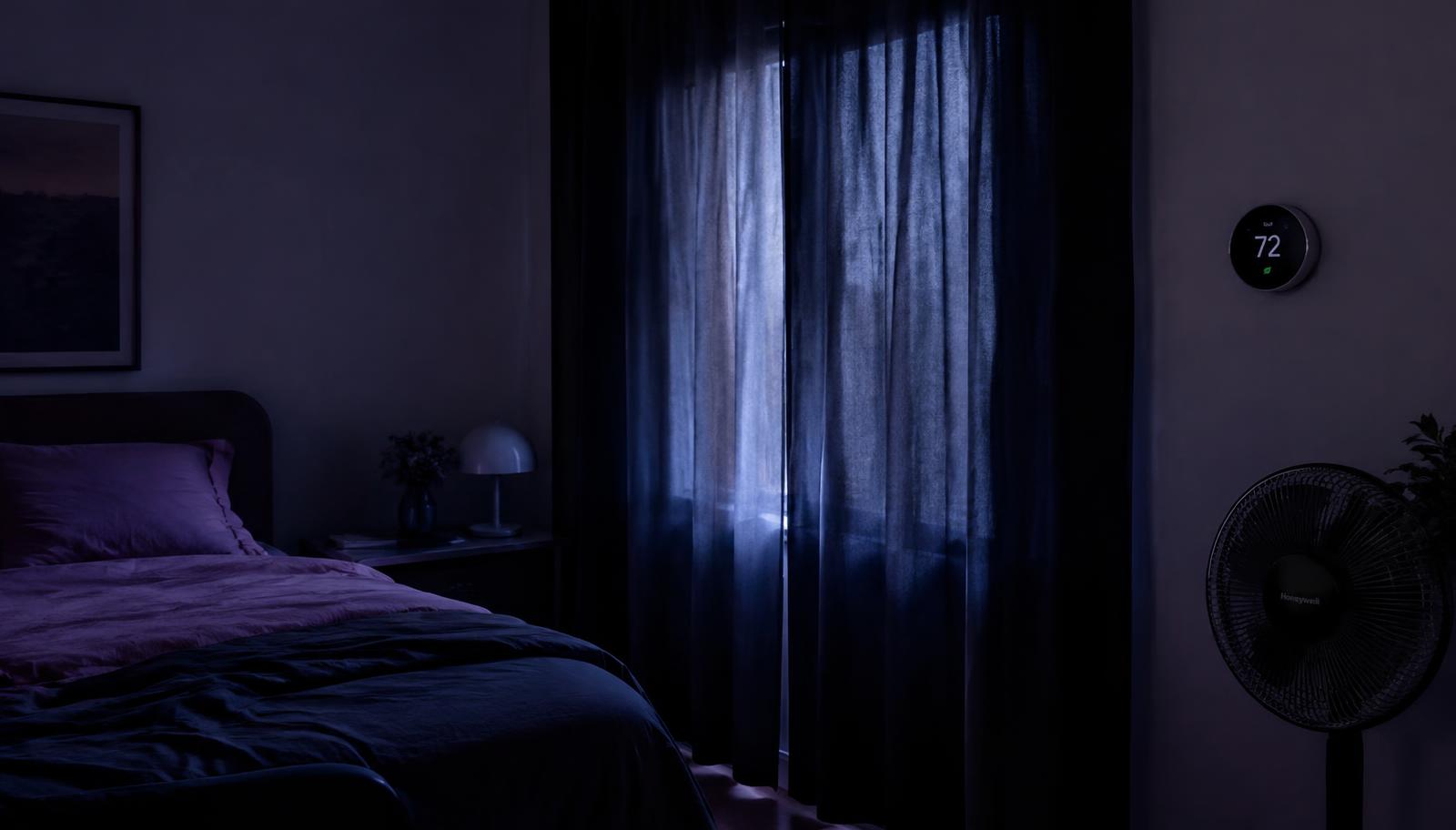
Health conditions that commonly affect sleep in later life
Alongside age-related changes to the body clock, a range of common health conditions in later life can affect sleep, including joint or muscle pain, breathing difficulties, the need to urinate more frequently overnight, and some cardiovascular or neurological conditions. Certain medicines commonly prescribed in later life can also affect sleep as a side effect, which is a further reason a GP review of the whole picture, rather than an assumption that ageing itself explains everything, is worthwhile when sleep problems are new or worsening.
This overlap between ordinary age-related change and a treatable underlying condition is exactly why persistent or worsening sleep difficulty in later life deserves proper assessment rather than being dismissed as an inevitable part of getting older.
Falls risk and other reasons for caution
Grogginess or reduced alertness after taking any sleep-related supplement or medicine, including melatonin, can be a particular concern in older adults, since it may increase the risk of a fall if someone gets up during the night. This is one of several reasons why melatonin use in older adults, if considered at all, should be discussed and monitored with a GP or pharmacist, who can weigh this risk against any potential benefit for the individual concerned. Melatonin side effects covers reported effects such as grogginess in more general terms.
A worked example
Consider someone in their seventies who has started waking around 4am, several hours before they would like to, despite feeling tired during the day. This pattern is a common and often unremarkable feature of how the body clock changes with age, particularly if they are also going to bed quite early in the evening. Rather than assuming a supplement is needed, a useful first step is often to look at evening light exposure, since bright light or screens late in the evening combined with an already early body clock can reinforce this pattern, and to consider whether daytime naps might be contributing. If the pattern persists and is genuinely affecting quality of life, this is a reasonable and specific example to bring to a GP for a fuller assessment.
Sleep disorders that become more common with age
Certain sleep-related conditions, such as sleep apnoea and restless legs, become more common as people get older, and both can cause daytime tiredness and disrupted sleep that might otherwise be mistaken for a simple age-related change. Because these conditions have their own specific assessments and treatments, distinguishing them from ordinary age-related sleep changes matters, and this is generally something a GP will consider as part of assessing persistent sleep difficulty in later life, rather than something to self-diagnose from general information.
When a family member or carer is involved
Sleep difficulty in older adults sometimes comes to attention through a family member or carer noticing changes, particularly if the older person lives with others or receives regular care. If you are supporting someone in this position, it is worth encouraging them to raise sleep changes with their own GP directly where possible, since a full picture of their health and medicines is needed for any advice to be appropriate, and general information intended for a wide audience cannot substitute for that individual assessment.
The value of a regular medicines review
Many GP practices offer periodic medicines reviews for older adults taking several regular medicines, and this is a natural opportunity to raise any sleep-related supplement, including melatonin, alongside everything else being taken. Using an existing review rather than a separate appointment can make the conversation more efficient and ensures melatonin is considered as part of the whole picture rather than in isolation.
Keeping track of changes over time
Because sleep changes in later life are often gradual, a brief ongoing note of bedtimes, wake times, and how rested you feel can help you and your GP notice a genuine shift worth discussing, rather than relying on a general sense that sleep has "got worse", which is harder to act on. This is the same principle behind the sleep diaries described elsewhere on this site, applied to the specific context of ageing.
Ultimately, the combination of a GP's clinical judgement and your own observations over time tends to give a far more reliable picture than any general guidance, including this article, can provide on its own.
Common questions
Is it normal to wake up earlier as you get older?
Yes, a shift towards earlier sleep and wake timing is common with age and is not automatically a sign of a sleep disorder, though persistent difficulty is still worth discussing with a GP.
Does melatonin production always fall with age?
Research generally suggests a decline is common, but the extent and pattern vary considerably between individuals, so this cannot be assumed for any one person without proper assessment.
Should older adults consider melatonin instead of seeing a GP?
No. Persistent sleep difficulty in later life is worth discussing with a GP or pharmacist first, particularly because other medicines and health conditions are more likely to be relevant and need checking.
A 2017 review in Sleep Medicine Reviews by Auld and colleagues concluded that the strongest evidence for melatonin is in shortening the time taken to fall asleep and in delayed sleep–wake phase disorder, with weaker evidence for other sleep problems.
Sources
Written by The Melatonin UK editorial team.
Published 24 September 2026. This article is general information about sleep and the body clock. It is not medical advice, and it does not replace a conversation with your GP or pharmacist.
Read next

Research & Safety
Melatonin and other medicines: what to check
Melatonin can interact with a range of other medicines, so any decision about taking it should involve a pharmacist or GP who can see your full medical picture. Certain categories of medicine are particularly worth mentioning, and the safest approach is to prepare a complete, honest list before you ask.
6 min readRead the guide →

The Body Clock
Morning light and your body clock
Morning daylight is one of the strongest signals for anchoring your body clock, helping set the timing for alertness during the day and melatonin release later that night. It is especially useful because it comes early in the light-sensitive window the body clock relies on. UK winters make this harder, but there are realistic ways to get more usable light.
6 min readRead the guide →

Research & Safety
What has research studied about melatonin and sleep?
Melatonin has been researched most extensively for jet lag, shift work adjustment, delayed sleep timing, and helping some people fall asleep faster. The evidence is stronger and more consistent in some of these areas than others, and important questions remain about long-term use, ideal timing, and how much individual response varies. Understanding the strength and limits of this research helps set realistic expectations.
6 min readRead the guide →