
Melatonin Basics
What are the different types of melatonin tablet?
Melatonin tablets come in three broad types. Standard immediate-release tablets release melatonin quickly. Prolonged-release tablets release it gradually over several hours. Sublingual tablets dissolve under the tongue. The type changes how long melatonin stays active, and prolonged-release tablets in particular should not be split, crushed or chewed unless a pharmacist says it is suitable.
5 min read · Published 24 September 2026

In short
- Tablets are the form most widely used in melatonin research.
- Immediate-release tablets give a relatively quick rise and fall in melatonin levels.
- Prolonged-release tablets spread release over several hours to resemble the body's overnight pattern.
- Crushing or splitting a prolonged-release tablet can change how it releases melatonin.
- Sublingual tablets dissolve under the tongue; comparisons with swallowed tablets are limited.
Tablets are the most familiar form of melatonin and the one research has used most. But "a melatonin tablet" can mean quite different things depending on how it is designed to release its contents. This guide explains the main types, building on the broader overview in What are the different forms of melatonin?
Standard immediate-release tablets
An immediate-release tablet breaks down in the stomach and releases its melatonin quickly. Blood levels rise within about an hour and fall again over the following hours, as described in How long does melatonin take to work? Because the rise is relatively brief, this type is often discussed in research on shifting the timing of the body clock, for example after travel.
Prolonged-release tablets
Prolonged-release tablets, sometimes called modified-release, slow-release or time-release, are made so that melatonin is released gradually over several hours. The aim is to resemble the body's own pattern, in which melatonin stays elevated through much of the night. The NHS describes prolonged-release melatonin tablets, and much of the research in older adults with insomnia used this type.
Sublingual tablets
Sublingual tablets are placed under the tongue to dissolve. The idea is that some melatonin is absorbed through the lining of the mouth rather than first passing through the stomach and liver. This may suit people who find swallowing tablets difficult. There is limited research directly comparing how quickly or how completely sublingual tablets are absorbed compared with standard tablets, so claims that they are always faster should be treated cautiously.
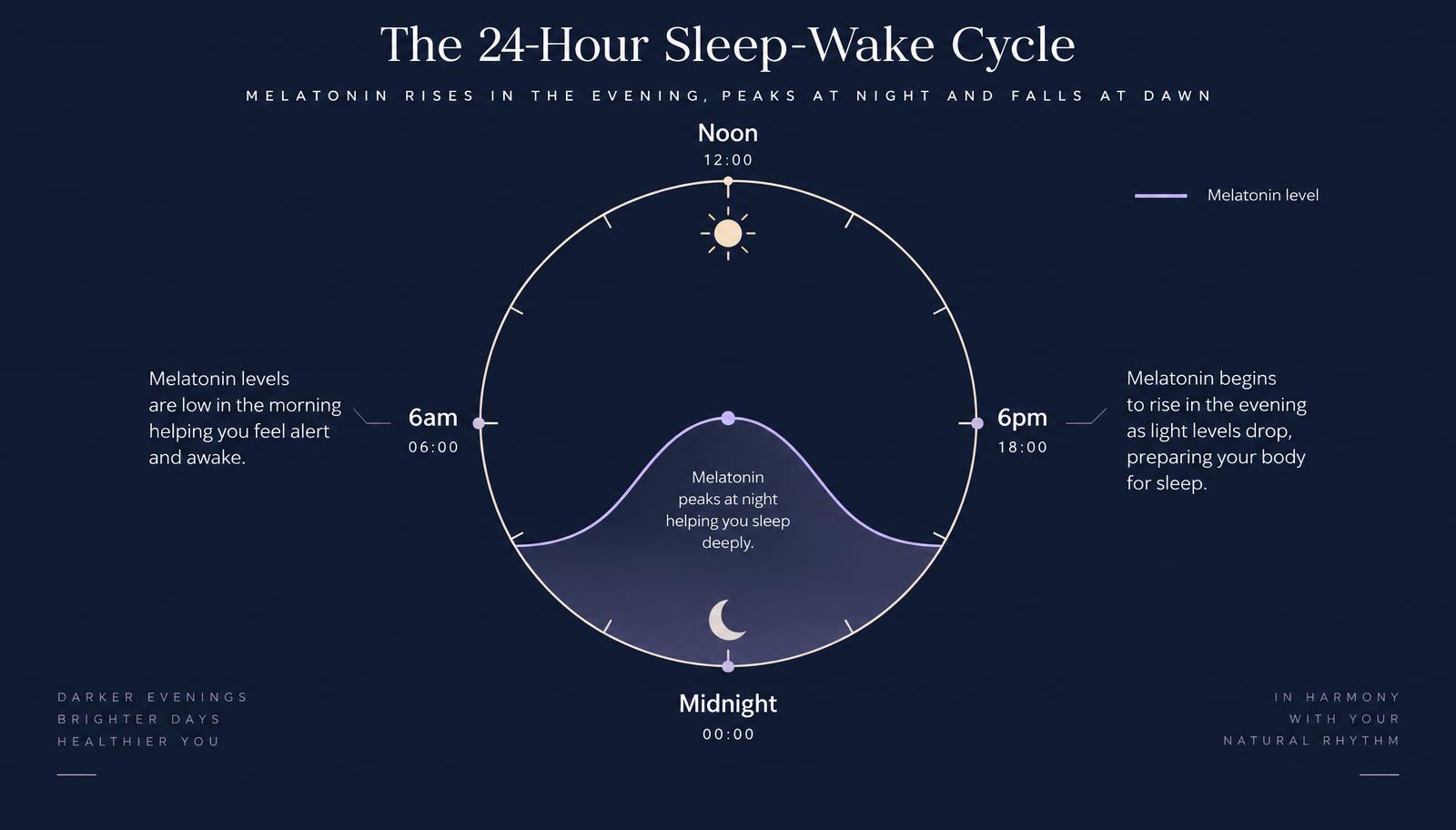
Comparing the three
- Immediate-release: quick, brief rise; widely used in timing-related research.
- Prolonged-release: gradual, longer release; more likely to linger into the morning for some people.
- Sublingual: dissolves in the mouth; useful where swallowing is difficult; limited comparative data.
Longer release is not simply better. For some people it may mean more melatonin active near waking, which is one reason for next-day grogginess, discussed in Can melatonin make you groggy the next day?
Other ingredients
Tablets contain fillers and binders as well as melatonin. These are usually inactive, but lactose, colourings or added herbal ingredients matter for some people. Reading the full ingredient list, or asking a pharmacist, is worthwhile, especially if you have allergies or intolerances.
Common questions
Are tablets better than gummies?
Tablets have been studied more and may be more consistent in content, as discussed in Melatonin gummies: what to know. The best form depends on the person.
Can I cut a melatonin tablet in half?
Some immediate-release tablets are scored for splitting; prolonged-release tablets generally should not be. Ask a pharmacist about a specific product.
Are capsules different from tablets?
Capsules usually behave like immediate-release tablets, though some are designed for slower release. The label and a pharmacist can clarify.
A 2017 study in the Journal of Clinical Sleep Medicine by Erland and Saxena tested 31 melatonin supplements and found the actual content ranged from 83% less to 478% more than the label stated, which is why choosing a reputable product matters.
Sources
Written by The Melatonin UK editorial team.
Published 24 September 2026. This article is general information about sleep and the body clock. It is not medical advice, and it does not replace a conversation with your GP or pharmacist.
Read next

Melatonin Basics
Forms of melatonin: tablets, capsules, gummies, drops and more
Melatonin is made in several forms: standard tablets and capsules, prolonged-release (time-release) tablets, sublingual tablets or sprays that dissolve under the tongue, liquid drops or oral solutions, and chewable gummies. The main practical differences are how quickly melatonin is released, how long it stays active, how easily the amount can be measured, and what else the product contains. There is limited research comparing everyday forms head to head, so a pharmacist is the best person to help match a form to your situation.
7 min readRead the guide →

Melatonin Basics
How long does melatonin take to work?
Standard immediate-release melatonin is usually absorbed quickly, with blood levels typically peaking within about an hour, and it is cleared fairly fast. Prolonged-release forms release melatonin gradually over several hours. But "working" depends on more than absorption: melatonin mainly shifts timing, so whether it has an effect also depends on where your body clock is and what is keeping you awake.
6 min readRead the guide →

Melatonin Basics
Melatonin gummies: what to know
Melatonin gummies are chewable sweets containing melatonin, popular because they are easy to take. Their main drawbacks are that independent testing has found the amount of melatonin in some gummies differs considerably from the label, they often contain sugar and other ingredients, and their sweet-like appearance makes accidental swallowing by children a real concern.
6 min readRead the guide →