
Better Sleep
Can a warm bath or shower before bed help you sleep?
A warm bath or shower can help you unwind before bed and may support the natural temperature changes that accompany sleep. It is an optional part of a relaxing evening, not a guaranteed sleep aid, and there is no need for very hot water or an elaborate routine.
5 min read · Published 2 November 2026
In short
- Warm water can make the transition from a busy day to bedtime feel easier.
- Losing heat after bathing may support the body's normal preparation for sleep.
- Comfortably warm is better than trying to make yourself very hot.
- A bath does not replace melatonin or reliably increase its production.
- A shower or another quiet activity can be a practical alternative.
A warm bath is a familiar bedtime suggestion, but is there more to it than feeling cosy? There can be. Bathing offers a pause from the day, while the way your body releases heat afterwards may fit with its natural preparation for sleep. A shower can provide a similar opportunity to slow down, without needing a long soak.
The useful starting point is to treat it as a comfort habit rather than a sleep test. You do not have to bathe every evening, buy special products or follow a rigid timetable. If warm water leaves you feeling relaxed rather than overheated, it may earn a place in your wind-down routine.
Why might warm water help you settle for sleep?
There are two useful parts to the idea: relaxation and temperature. A quiet bath or shower can create a clear break between daytime demands and bedtime. Stepping away from messages, chores and tomorrow's plans gives you a chance to do something simple and familiar. NHS insomnia guidance includes having a bath among activities that can help people relax before bed.
Your body temperature also follows a daily pattern. Around your usual sleep period, your internal temperature tends to fall. This does not mean you need to feel cold to sleep well. Instead, your body adjusts how it holds on to heat and how much it releases through the skin.
Warm water increases blood flow near the skin. After you get out, that can help your body release heat into the surrounding air. This helps explain the apparently odd idea that warming up first may support cooling down afterwards. It is a supporting process, though, not an on-off switch for sleep.
Is a bath better than a shower?
There is no need to assume that a bath is always the better choice. A bath offers an opportunity to sit quietly, which some people find especially soothing. A shower can be quicker, easier to fit around an evening and more comfortable for anyone who dislikes soaking. The best practical option is one you enjoy and can use without making bedtime more complicated.
It is also worth separating a pleasant experience from a proven difference in sleep. Feeling more relaxed after a bath does not guarantee you will fall asleep faster than after a shower. Neither option needs to become a nightly requirement, and skipping it should not mean that you have missed your chance of sleeping well.
- Choose a bath if a quiet soak feels enjoyable rather than like another task.
- Choose a shower if simplicity makes the evening easier.
- Keep the water comfortably warm rather than very hot.
- Give yourself enough time to dry off and feel comfortable before getting into bed.
When should a bath or shower fit into the evening?
Think of bathing as part of winding down, rather than something to squeeze in at the exact moment you want to fall asleep. Leaving some space afterwards allows you to dry off, get dressed and settle without rushing. There is no single perfect time that everyone needs to follow.
A straightforward sequence might be finishing the day's jobs, having a warm shower, then spending a little time reading or listening to something calm. If bathing leaves you feeling too warm under the duvet, moving it earlier or using less warm water may make the experience more comfortable.
Keep the wider evening in mind, too. A soothing bath followed by urgent work messages may not feel particularly restful overall. Equally, there is little benefit in delaying bedtime just to complete a long bathing ritual. The habit should support your opportunity to sleep, not take time away from it.
Does a warm bath increase melatonin?
It is better not to describe a warm bath as a way to boost melatonin. Melatonin is a hormone involved in signalling biological night, and its daily pattern is strongly influenced by the light-dark cycle. Bathing and the release of body heat are a different part of the sleep picture.
Temperature changes, melatonin and sleep timing are connected within the body's daily rhythms, but that does not establish that a bath meaningfully increases melatonin production. The more grounded benefit is that warm bathing may help you relax and support temperature changes associated with settling for sleep.
A bath is therefore neither a substitute for melatonin nor something that needs to be paired with it. It can be useful entirely on its own as an everyday comfort habit. Claims that particular bath salts, scents or toiletries reliably stimulate melatonin deserve caution; a pleasant smell is not evidence of a hormonal effect.
How can you keep it simple and sleep-friendly?
Start with the ordinary things that make bathing comfortable. Have a towel and nightwear ready, avoid harsh water temperatures and keep enough light to move around safely. There is no reason to make the bathroom so dark that getting in or out becomes awkward.
Special sleep products are optional, not essential. You do not need bubbles, fragrance or an expensive accessory for warm water to feel soothing. If scented products irritate your skin or simply feel distracting, leaving them out keeps the routine easier.
Most importantly, allow the habit to stay flexible. On a busy evening, a brief wash and a quiet activity may suit you better. On another night, a bath may be something to look forward to. A helpful routine offers familiar cues and comfort without creating a checklist you must complete perfectly.
Common questions
Will a cold shower work better? Not necessarily. Cold water can feel stimulating, and feeling colder is not the same as supporting your body's natural release of heat before sleep. There is no need to tolerate an uncomfortable shower for the sake of bedtime.
Do I need a bath every night? No. It is one possible way to unwind, not a condition for good sleep. Reading, gentle music or another quiet activity may suit your preferences and home just as well.
What if bathing does not help? That does not mean you are doing it wrong. Sleep depends on many things, and no single wind-down habit works for everyone. Persistent sleep difficulties that affect everyday life deserve attention beyond adding another bedtime ritual.
Sources
Written by Melatonin UK editorial team.
Published 2 November 2026. This article is general information about sleep and the body clock. It is not medical advice, and it does not replace a conversation with your GP or pharmacist.
Read next
Better Sleep
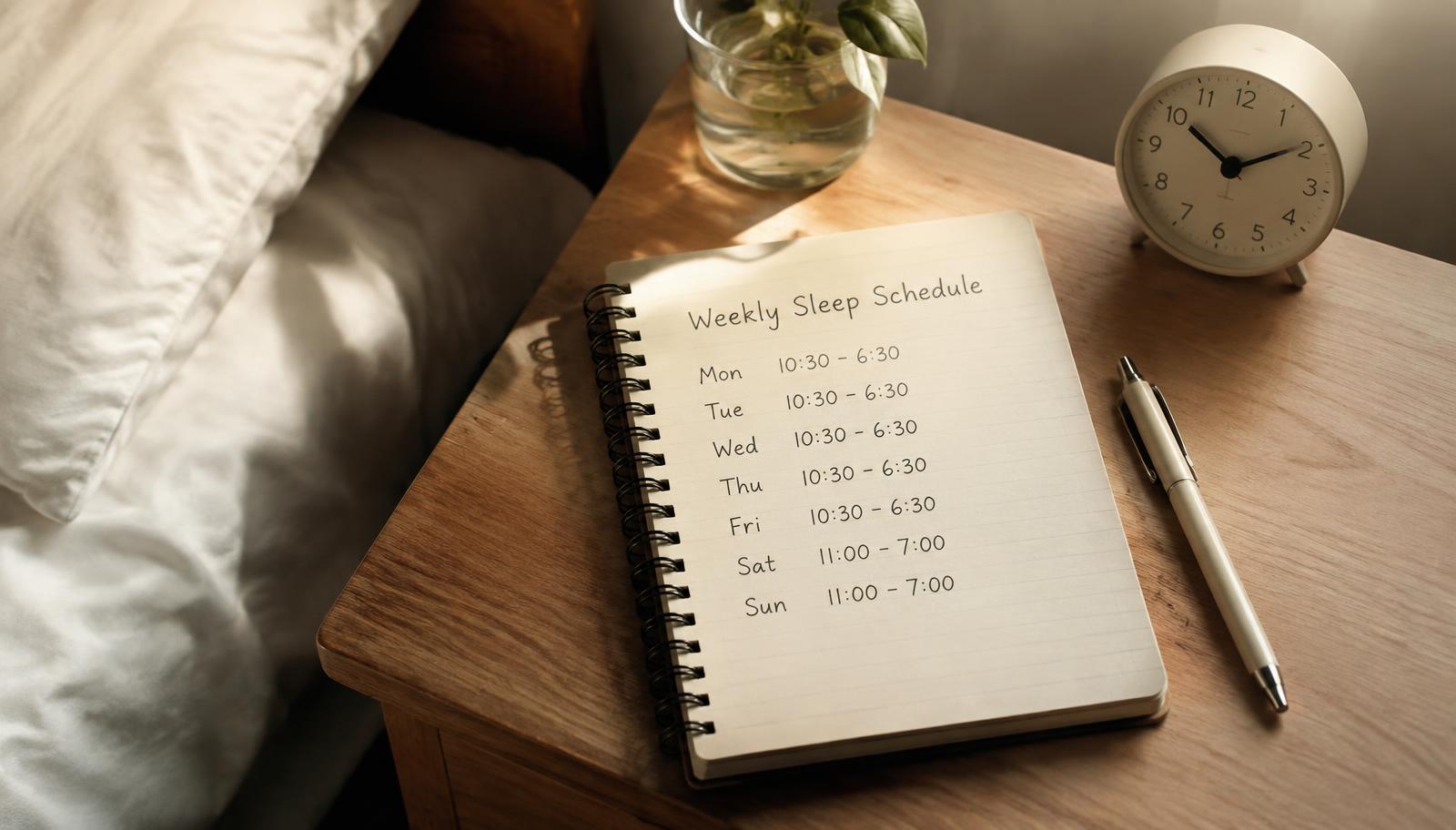
How to build a more consistent sleep schedule
A more consistent sleep schedule is usually best built gradually, anchored around a fixed wake time rather than a fixed bedtime, supported by consistent light exposure. Small, sustainable adjustments over days or weeks tend to work better than sudden changes. The goal is a rhythm the body clock can rely on, not a single perfect night.
6 min readRead the guide →
Better Sleep
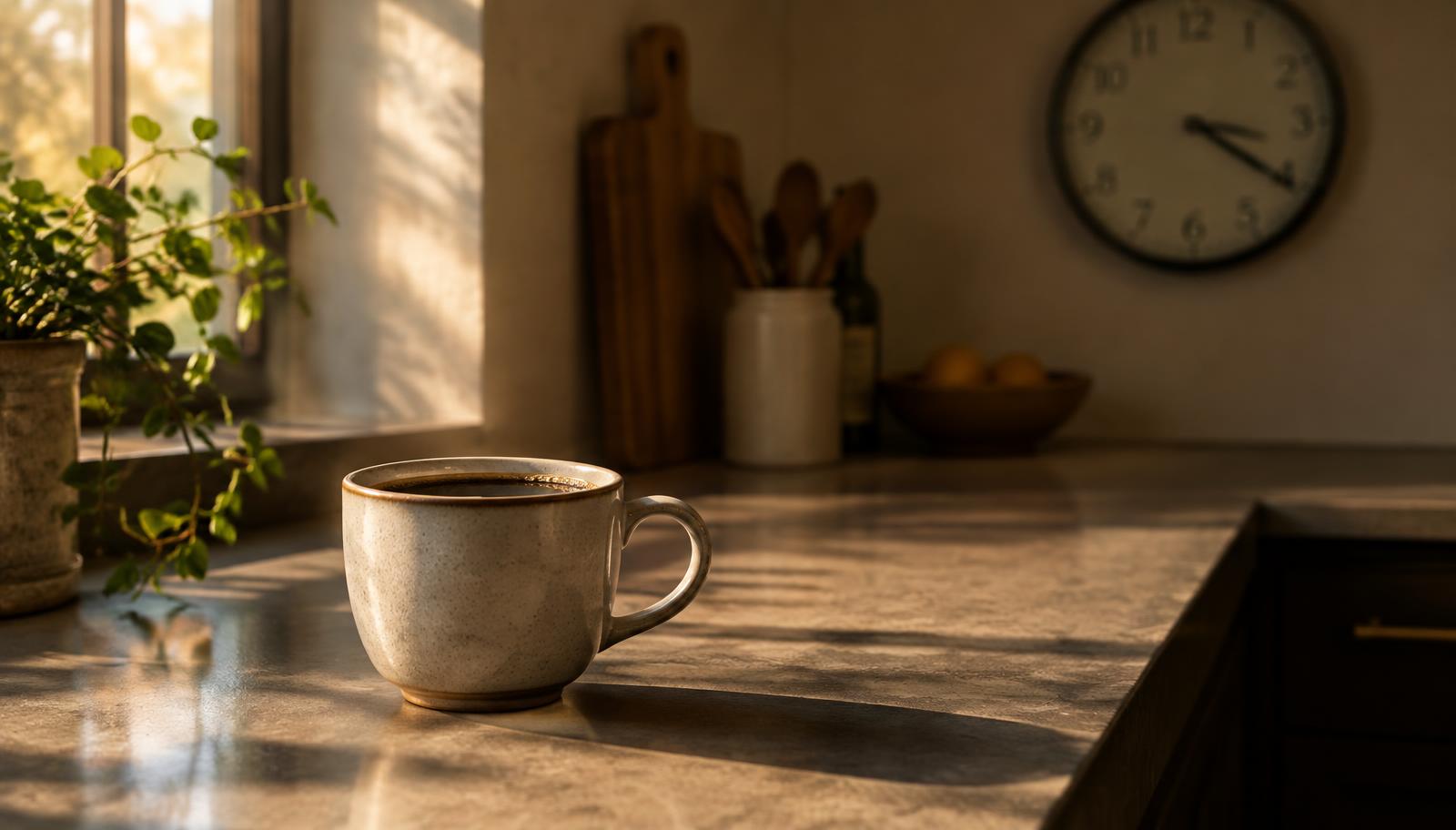
Caffeine and sleep: why timing matters
Caffeine blocks a chemical called adenosine that builds up sleep pressure through the day, and it can remain active in the body for many hours after it is drunk. Cutting off caffeine in the early-to-mid afternoon is a sensible default for most people, though individual sensitivity varies considerably and hidden sources are easy to miss.
6 min readRead the guide →

Better Sleep
Alcohol and sleep quality
Alcohol can make falling asleep feel easier because it is sedating, but sedation is not the same as normal, restorative sleep. As the body processes alcohol overnight, sleep tends to become lighter and more fragmented in the second half of the night, which is why a nightcap often leads to earlier or more frequent waking.
6 min readRead the guide →