
Better Sleep
Are daytime naps good for you?
A short daytime nap can help adults feel more alert and less sleepy, but it is a top-up rather than a replacement for a full night's sleep. Whether a nap helps overall depends on its length, its timing and whether it makes falling asleep at night harder.
5 min read · Published 1 October 2026
In short
- Short naps can give alertness a temporary lift.
- Longer naps are more likely to leave you groggy afterwards.
- Late naps can reduce the sleepiness that builds towards bedtime.
- Naps do not replace regular, sufficient night-time sleep.
- Melatonin is not a general-purpose aid for daytime naps.
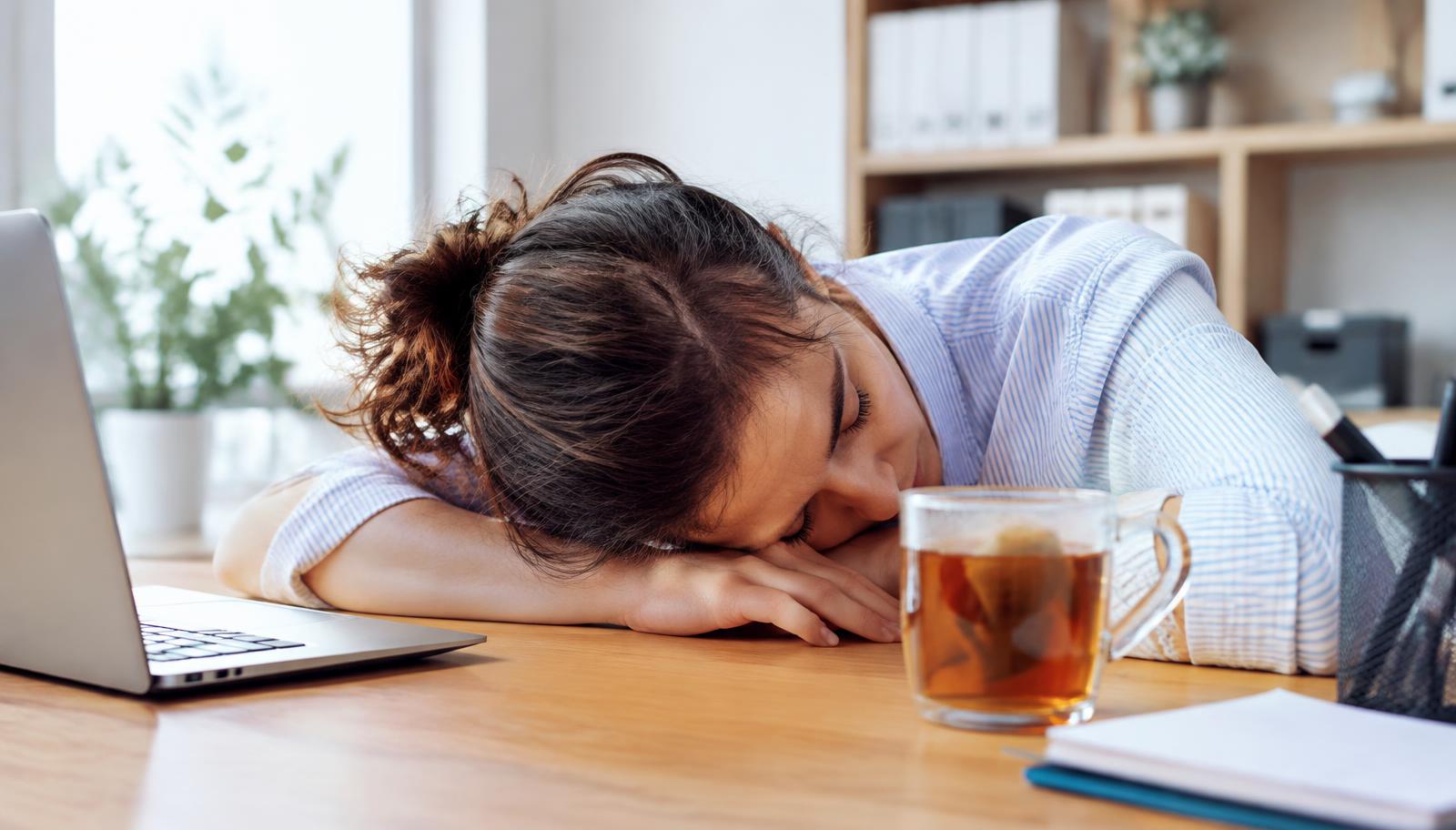
A daytime nap can feel like pressing a small reset button. After a broken night or a demanding morning, a little sleep may leave you feeling more awake and ready for the next part of the day. But naps have a mixed reputation: are they a useful boost, or an easy way to make bedtime more difficult?
The answer is not the same for everyone. A short, well-placed nap can be helpful, while a long or late one may work against night-time sleep. The useful distinction is between a nap that complements a healthy sleep pattern and one that starts to replace it.
What can a daytime nap actually help with?
Research on naps in adults suggests that a brief sleep can reduce sleepiness and improve alertness for a time. That can make it easier to pay attention or stay engaged with a task. These are practical, short-term benefits, rather than proof that everyone needs to nap every day.
The benefit also depends on the starting point. Someone who has had too little sleep may notice a bigger difference than someone who already feels rested. Some adults wake from a nap refreshed; others feel sluggish or find that even a short sleep affects their bedtime.
There is no need to turn napping into another wellbeing target. Not napping is perfectly normal, and feeling unable to sleep during the day does not mean anything is wrong. The Sleep Charity discusses naps as a possible way to manage tiredness, while emphasising that their timing and length matter. [5]
Why does nap timing make a difference?
Two processes help explain the trade-off. Sleep pressure is the need for sleep that builds the longer you are awake. Your body clock also changes how alert or sleepy you feel across the day. A nap reduces some sleep pressure, which is useful when you need a lift but less useful just before bed.
For many adults with a daytime routine, alertness naturally dips in the early afternoon. Lunch may get the blame, but this dip is not simply the result of eating. It can offer a more natural opportunity for a nap than the late afternoon or evening.
A late sofa snooze can remove some of the sleepiness that would otherwise help at bedtime. The clock time is not the whole story, though: someone working nights has a different main sleep period. The broader principle is the distance between the nap and the next planned stretch of sleep.
How long is a refreshing nap?
For an everyday alertness boost, short naps are generally the more practical option. A nap of around 20 minutes is a common sleep-education suggestion because it limits the opportunity to move into deeper sleep. It is a useful rule of thumb, not a guarantee of the same result for everyone. [5]
Waking from deeper sleep can bring sleep inertia: that heavy, foggy feeling when your eyes are open but your brain does not yet feel fully switched on. It can happen after a nap or a longer sleep, and may be more noticeable when you have been short of sleep.
Longer naps are not automatically bad, but they are more likely to involve deeper sleep and may take more pressure away from bedtime. Advice to sleep for exactly one supposedly complete sleep cycle is also too neat: sleep cycles vary between people and across different sleep periods.
- A short nap is more likely to fit into an ordinary day without a lengthy recovery period.
- An alarm can help prevent a brief rest from becoming an unexpectedly long sleep.
- Allowing time to feel fully awake afterwards matters, especially before tasks requiring close attention.
- A nap should never be treated as proof that it is safe to drive while sleepy.
When can naps work against better sleep?
The clearest sign of an unhelpful nap is a recurring trade-off: a little relief in the afternoon followed by a long wait to fall asleep at night. That can become a loop, with daytime sleep compensating for a difficult night and then making the next night harder.
For adults experiencing insomnia, daytime naps can be counterproductive. NHS insomnia guidance includes avoiding naps during the day to help protect night-time sleep. This is why general enthusiasm for a 'power nap' needs a little context: something useful for occasional tiredness is not necessarily useful for ongoing sleep difficulties. [6]
It is also worth distinguishing a chosen nap from repeatedly nodding off without meaning to. Frequent daytime sleepiness, especially despite enough opportunity to sleep at night, deserves attention rather than simply a longer nap. Persistent tiredness can have several causes and is worth discussing with a healthcare professional. [3]
Where does melatonin fit into daytime napping?
Melatonin and naps do different jobs. The body's melatonin signal helps communicate biological night, while a nap provides actual sleep and reduces some accumulated sleep pressure. A dip in afternoon alertness does not automatically mean melatonin levels are high, or that the body is short of melatonin. [1]
Melatonin is therefore not a general-purpose way to make an ordinary daytime nap happen. Its effects are linked to the body clock, and feeling sleepy at a particular moment is not enough to show that it would be useful. There is no need to make a product part of a simple daytime rest.
For everyday life, the useful question is whether a nap leaves the whole day and night working better together. Feeling refreshed afterwards is one part of the picture; still being ready for sleep at bedtime is another.
Common questions
Is it bad to nap every day? Not necessarily. A regular short nap may suit some adults without disturbing their night-time sleep. What matters more than frequency alone is whether the nap is optional, refreshing and compatible with sleeping well at night.
Can a nap make up for a bad night? It can ease some short-term sleepiness, but it does not provide a reliable shortcut around getting enough sleep overall. One refreshing nap should not be taken as evidence that repeated short nights have no effect.
Does lying quietly count as a nap? Quiet rest can feel calming and give you a welcome break from demands, but it is not the same as sleeping. A rest can still be worthwhile without needing to force sleep or claim all the benefits of a nap.
What is the main takeaway? Naps are an optional tool, not a requirement. Short naps taken well before the main sleep period can offer a useful lift, provided they do not undermine the night-time sleep that keeps you feeling well.
Sources
Written by Melatonin UK editorial team.
Published 1 October 2026. This article is general information about sleep and the body clock. It is not medical advice, and it does not replace a conversation with your GP or pharmacist.
Read next
Better Sleep
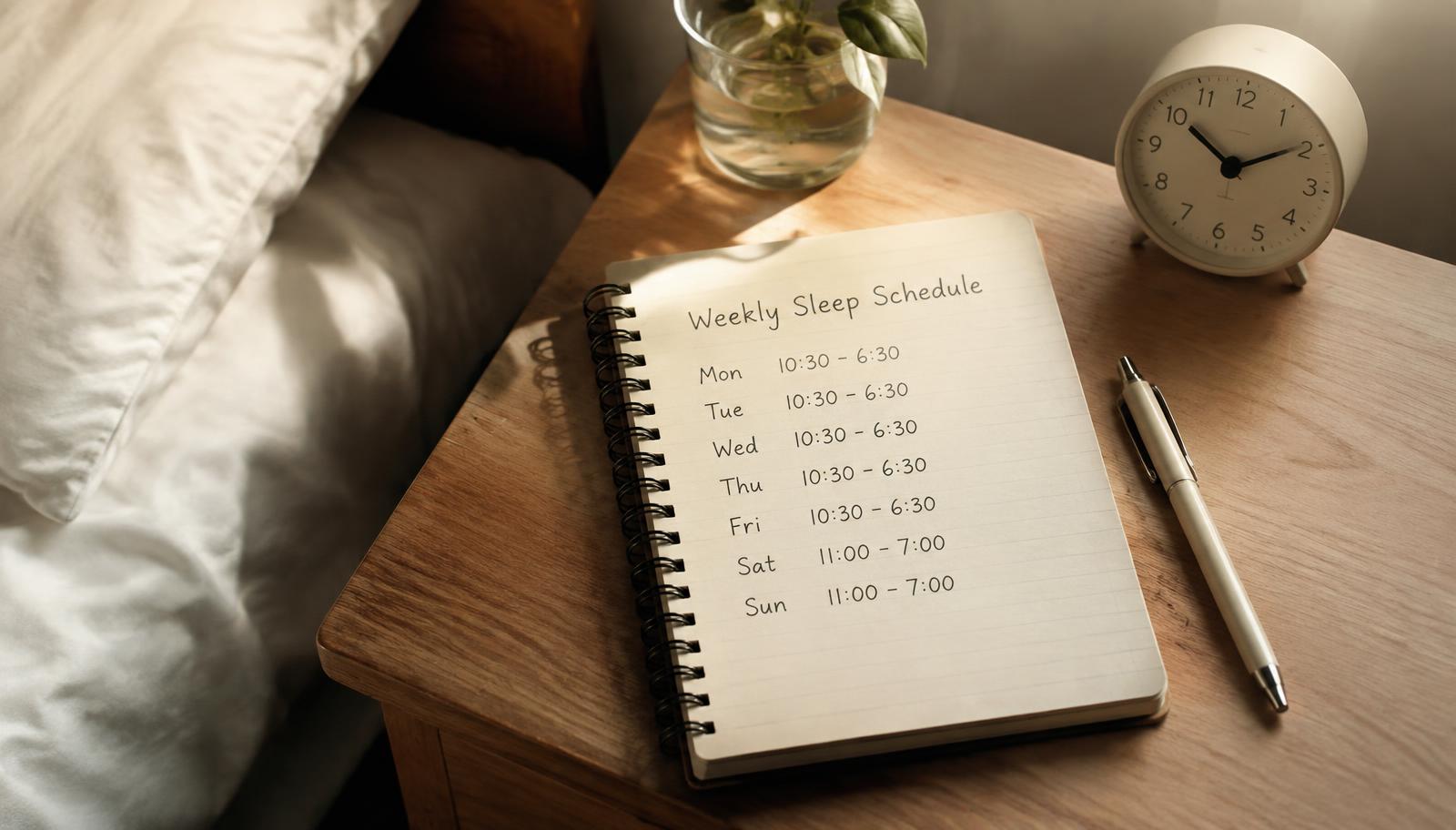
How to build a more consistent sleep schedule
A more consistent sleep schedule is usually best built gradually, anchored around a fixed wake time rather than a fixed bedtime, supported by consistent light exposure. Small, sustainable adjustments over days or weeks tend to work better than sudden changes. The goal is a rhythm the body clock can rely on, not a single perfect night.
6 min readRead the guide →

Better Sleep
Caffeine and sleep: why timing matters
Caffeine blocks a chemical called adenosine that builds up sleep pressure through the day, and it can remain active in the body for many hours after it is drunk. Cutting off caffeine in the early-to-mid afternoon is a sensible default for most people, though individual sensitivity varies considerably and hidden sources are easy to miss.
6 min readRead the guide →

Better Sleep
Alcohol and sleep quality
Alcohol can make falling asleep feel easier because it is sedating, but sedation is not the same as normal, restorative sleep. As the body processes alcohol overnight, sleep tends to become lighter and more fragmented in the second half of the night, which is why a nightcap often leads to earlier or more frequent waking.
6 min readRead the guide →